
Residential Window Replacement in Columbia
Columbia's housing is old enough that window work here often starts with original wood sashes. Census figures put 40% of the city's housing units in buildings from before 1970. Summer runs long, too: the airport averages 80.8 days a year at 90°F or hotter. So most window decisions here come down to three things: drafts, heat through the glass and sills that have gone soft.
Whole-House Window Replacement
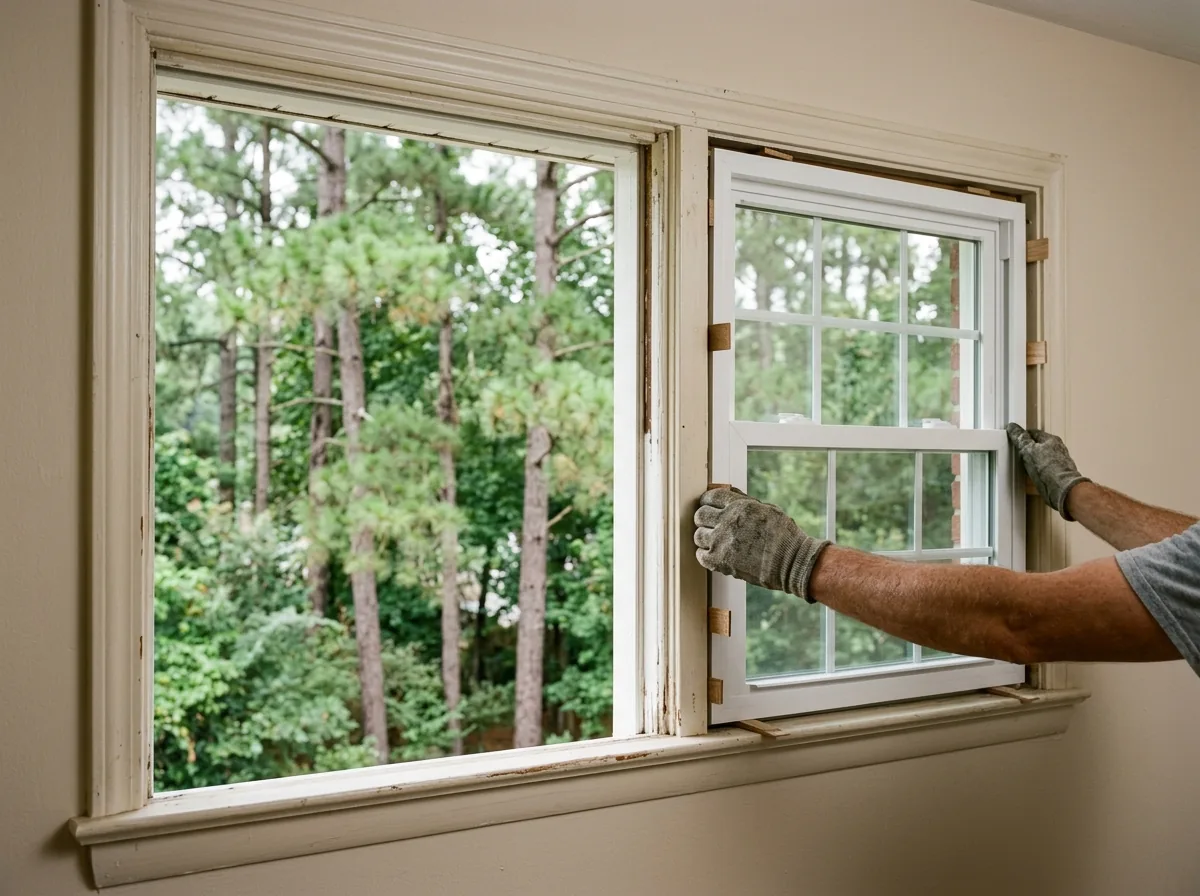
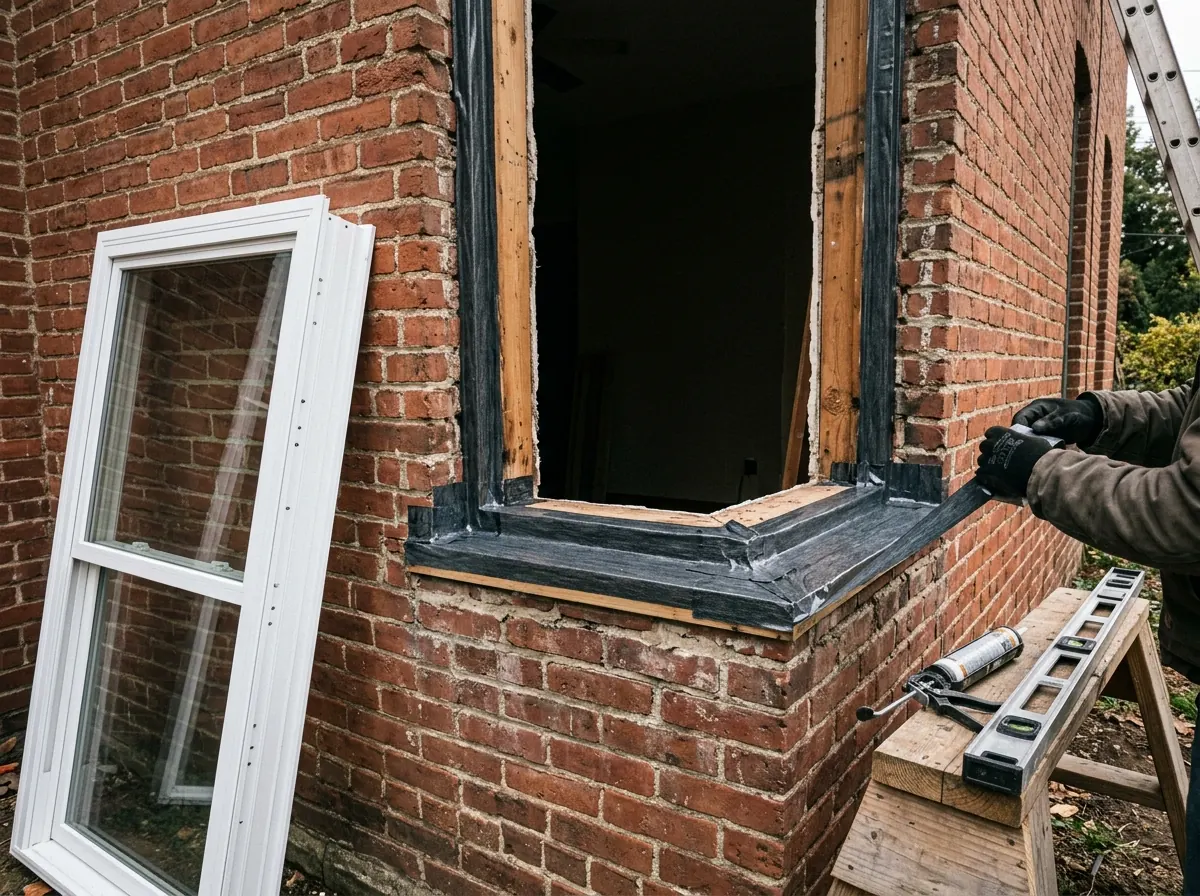
Replacing every window at once is the big-ticket job, and the install method sets the price as much as the window does. An insert (pocket) replacement leaves the old frame and interior trim in place and sets a new unit inside it. It's quicker and cheaper, but you lose some glass area. A full-frame replacement takes the opening down to the rough framing. That shows any rot, lets the installer flash the sill properly and gives back the full glass size.
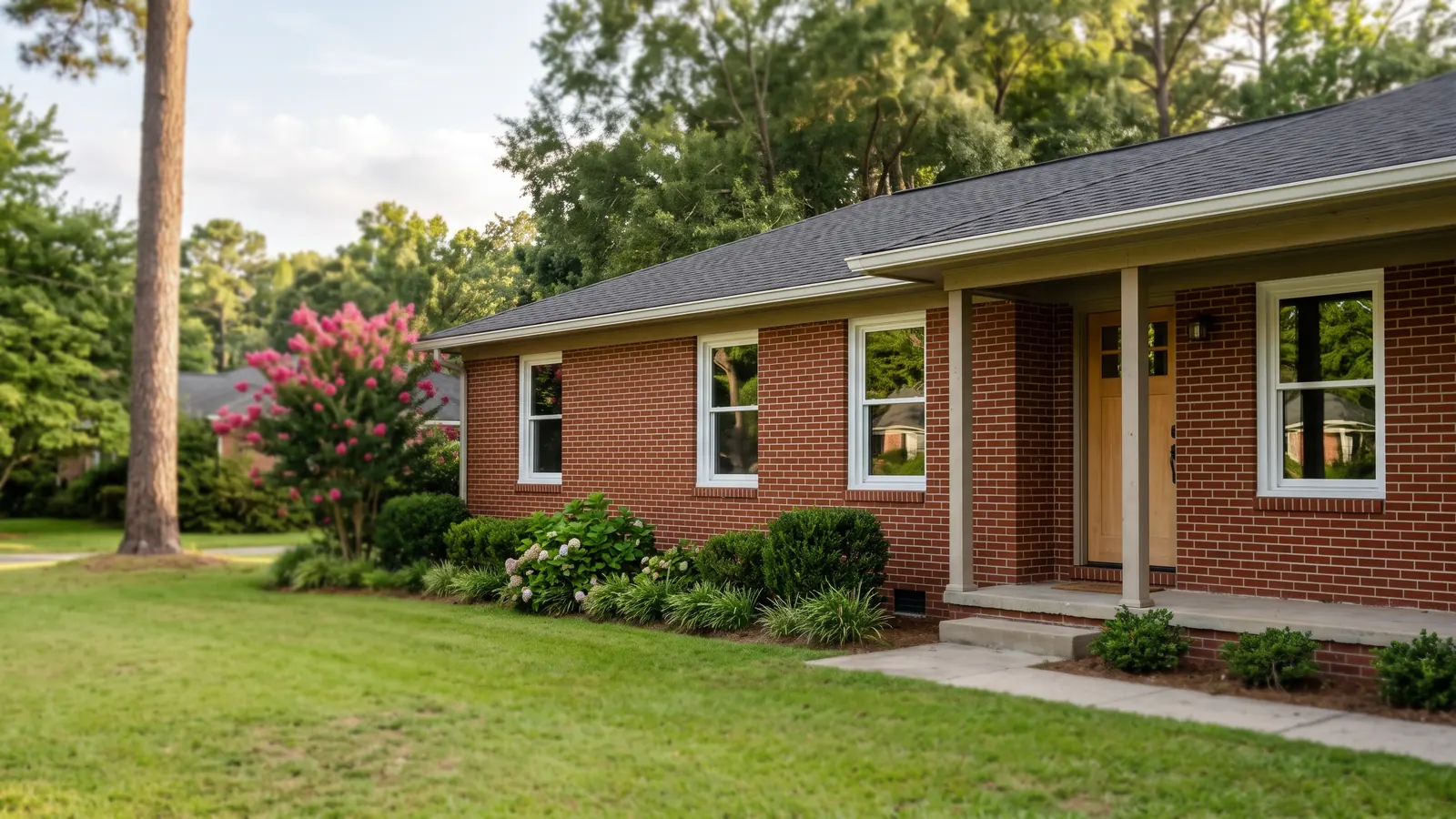
On a brick ranch with sound wood frames, inserts are usually fine. When the sills are soft, or the old frames are out of square, full-frame is the honest answer. Ask for the method in writing for each opening, not one line for the whole house.
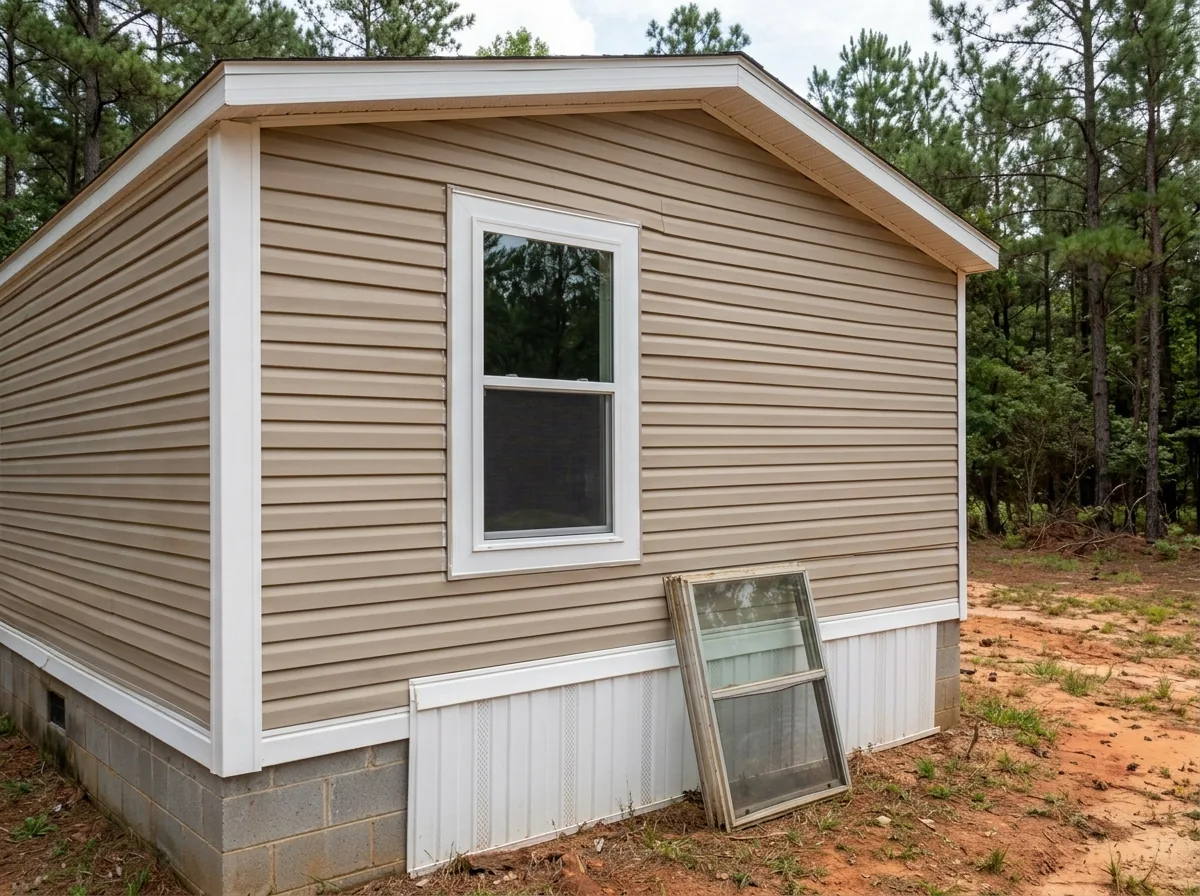
See Retrofit Window Replacement in Columbia. Manufactured homes take different units: see Mobile Home Window Replacement in Columbia.
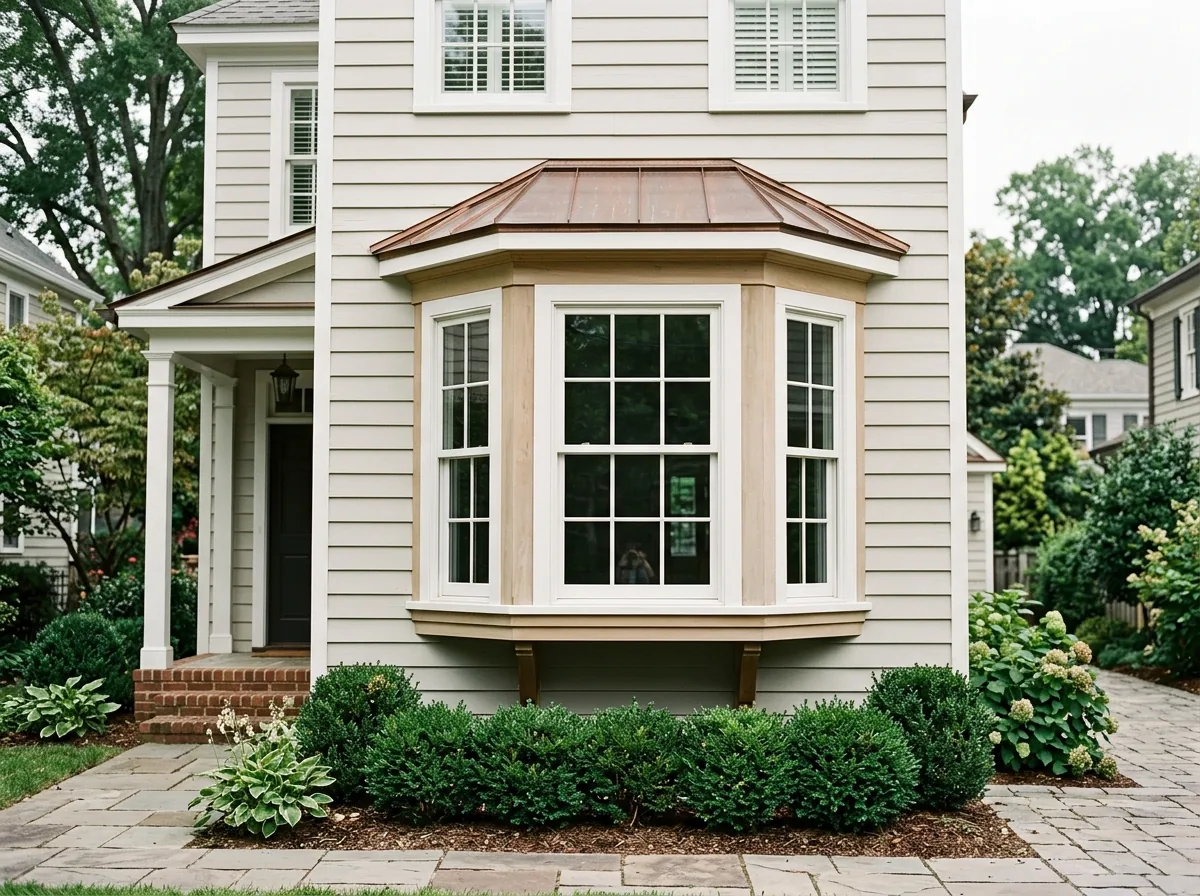
Bay and Bow Windows
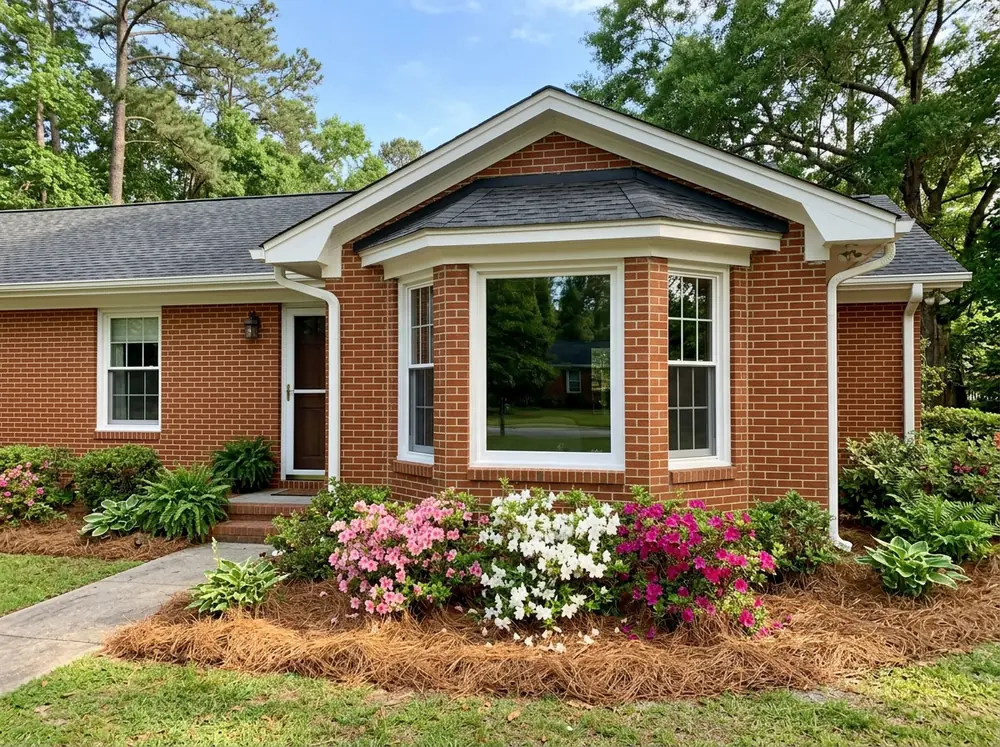
A bay window is three units, a wide fixed center flanked by two angled sides, usually at 30 or 45 degrees. A bow uses four to six equal units on a gentle curve. Both stick out past the wall, so they need a seat board, a head board, a small roof or canopy, and support from cables or brackets tied back to the framing. The installer should check the header above the opening before quoting, because a bay often replaces a wider span than the window it's taking out.
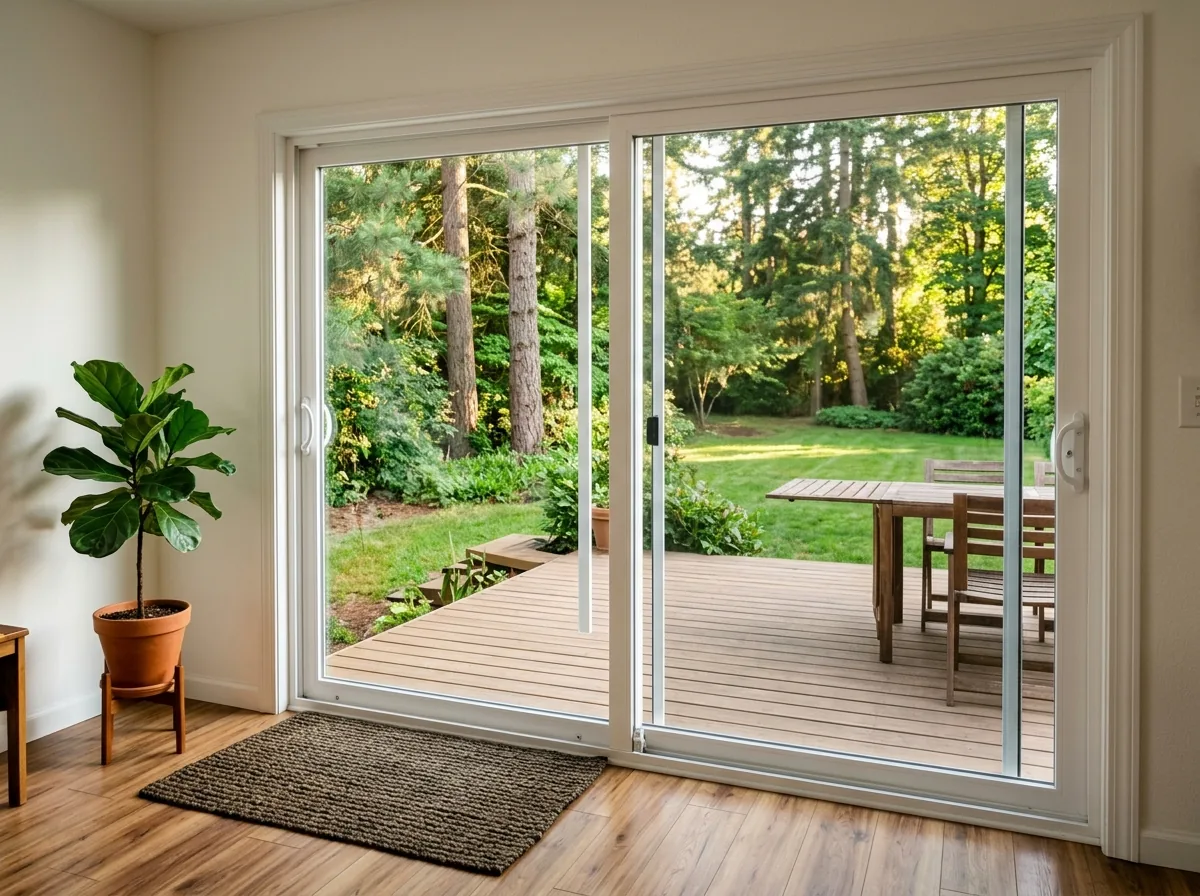
Sliding Glass Doors and Patio Doors
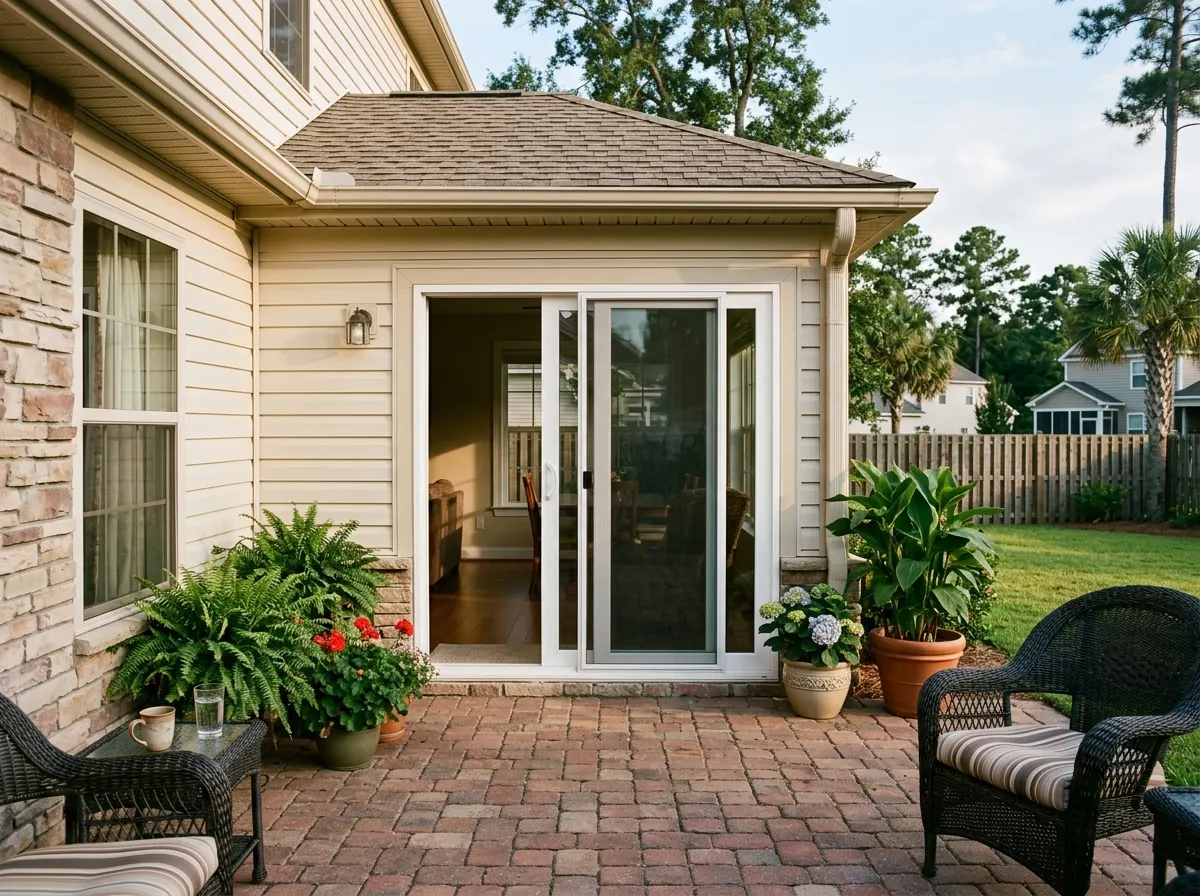
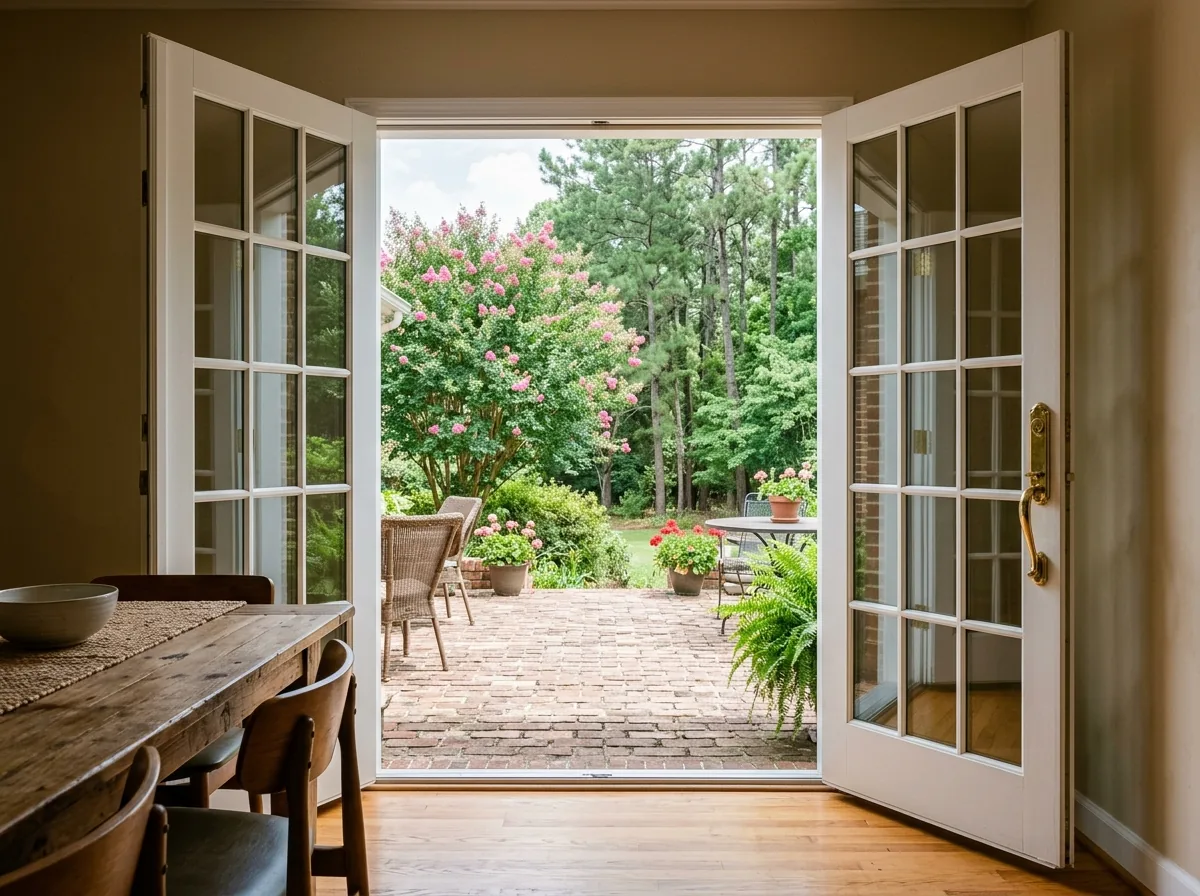
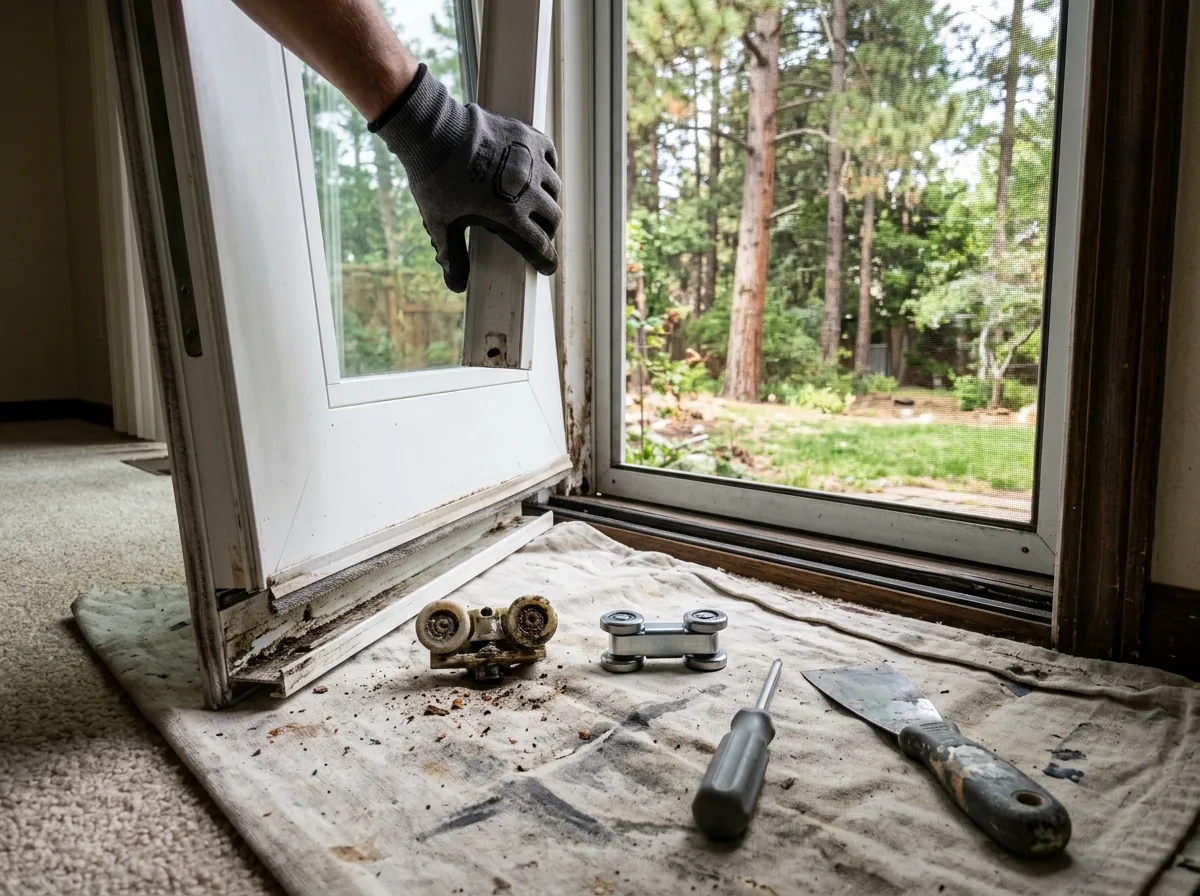
Patio doors come as two- or three-panel sliders, hinged French doors, and sliding French styles that look hinged but glide. Every panel has to be safety glazing: the code treats glass in doors as a hazardous location. The part you don't see matters most. A sloped sill pan under the threshold and flashing tape at the jambs keep wind-driven rain out of the subfloor, and that's where old patio doors usually fail.
See Sliding Glass Doors in Columbia, or French Doors in Columbia for hinged pairs.
Energy-Efficient Windows
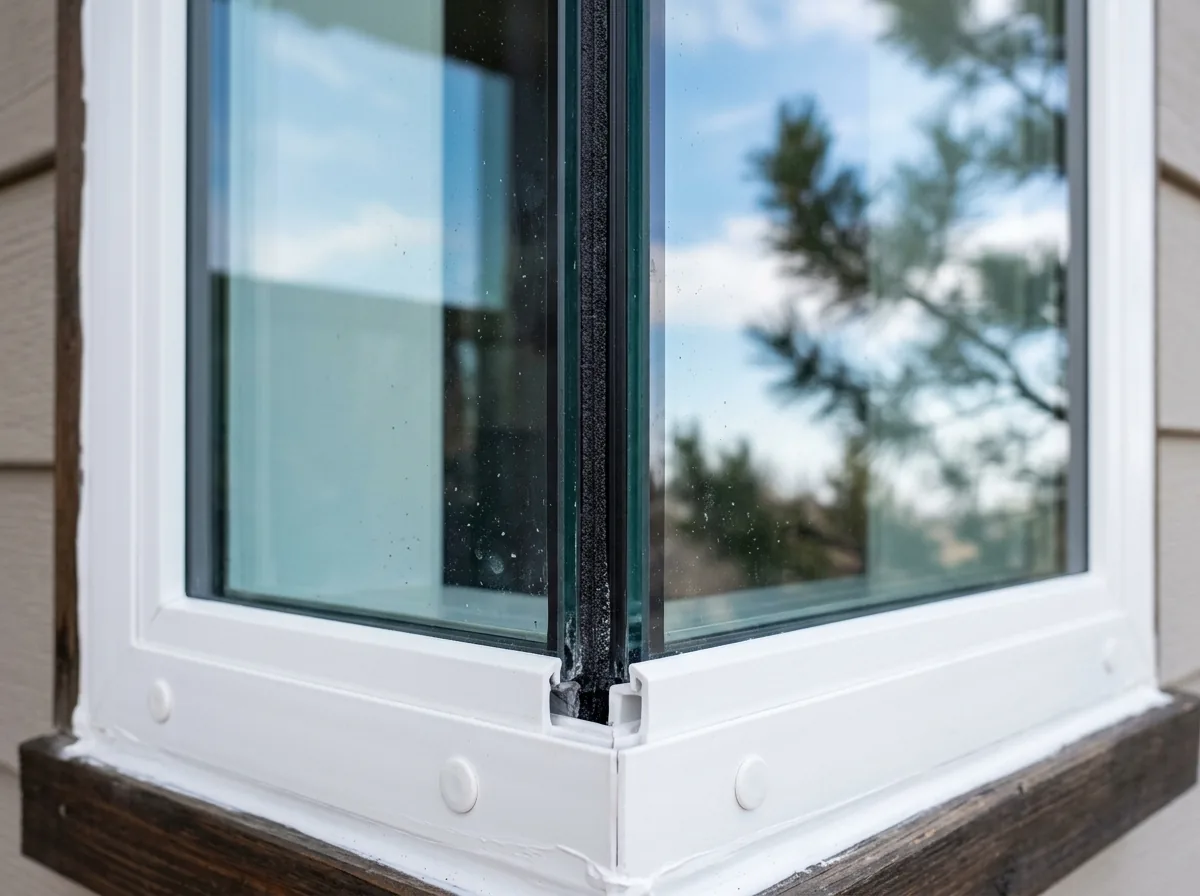
Windows account for 25% to 30% of a home's heating and cooling energy, according to the Department of Energy. In Columbia the cooling side counts for a lot, so look hard at SHGC (solar heat gain coefficient), the share of the sun's heat a window lets in. Columbia falls in ENERGY STAR's South-Central zone, where a certified window needs a U-factor of 0.28 or lower and an SHGC of 0.23 or lower.
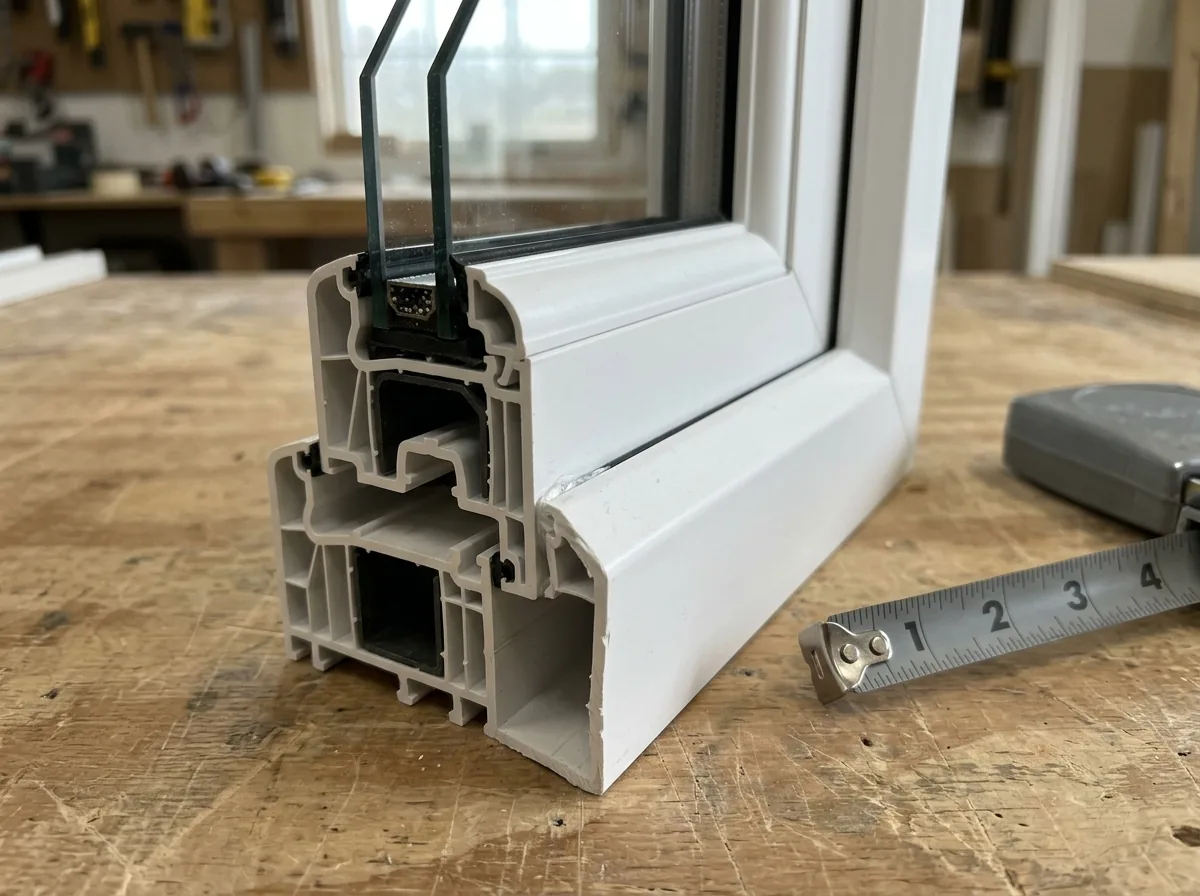
The parts that get you there are a low-E coating tuned to block heat, argon gas between the panes, and a warm-edge spacer at the glass edge. Triple pane is available, but in a cooling-heavy climate a good double-pane low-E unit often does most of the work.
See Energy-Efficient Windows in Columbia. If street or airport noise is the bigger problem, Soundproof Windows in Columbia covers laminated glass and inserts.
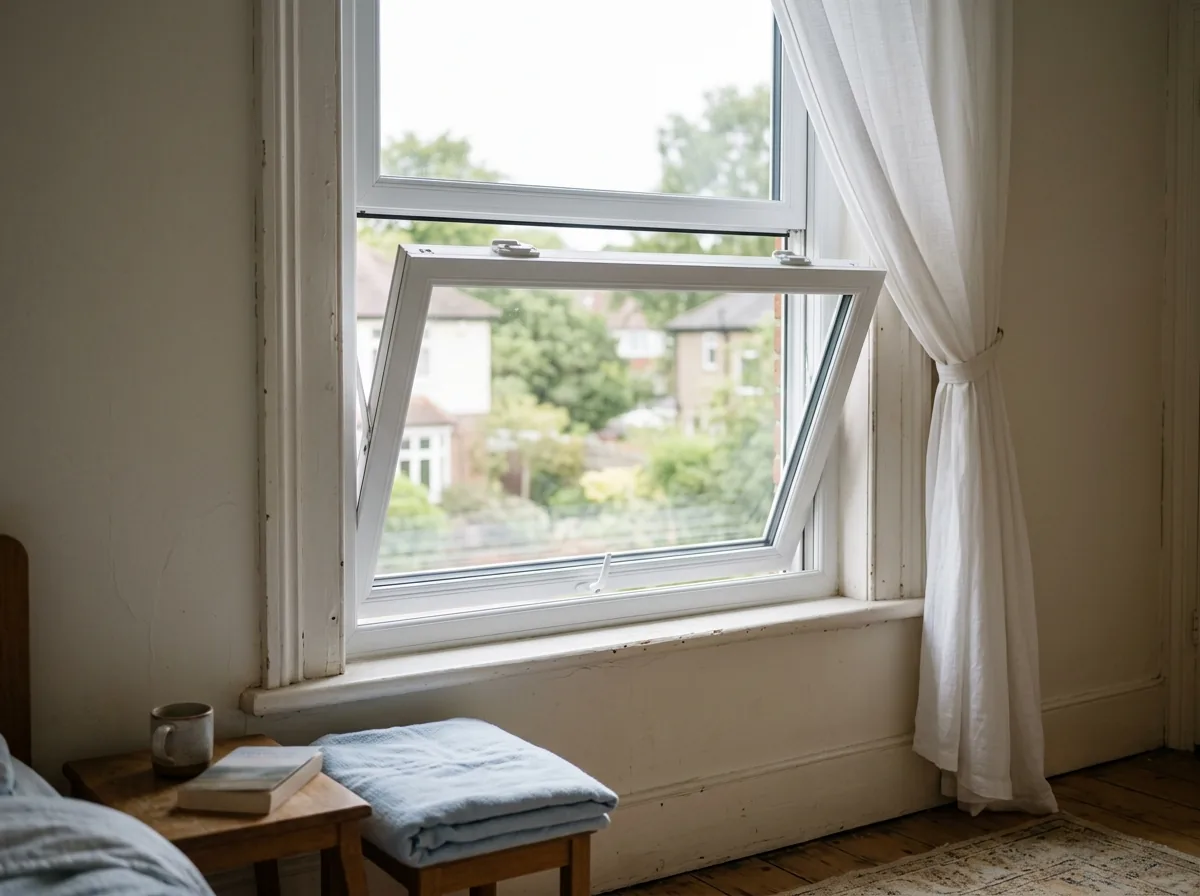
Double-Hung and Single-Hung Windows
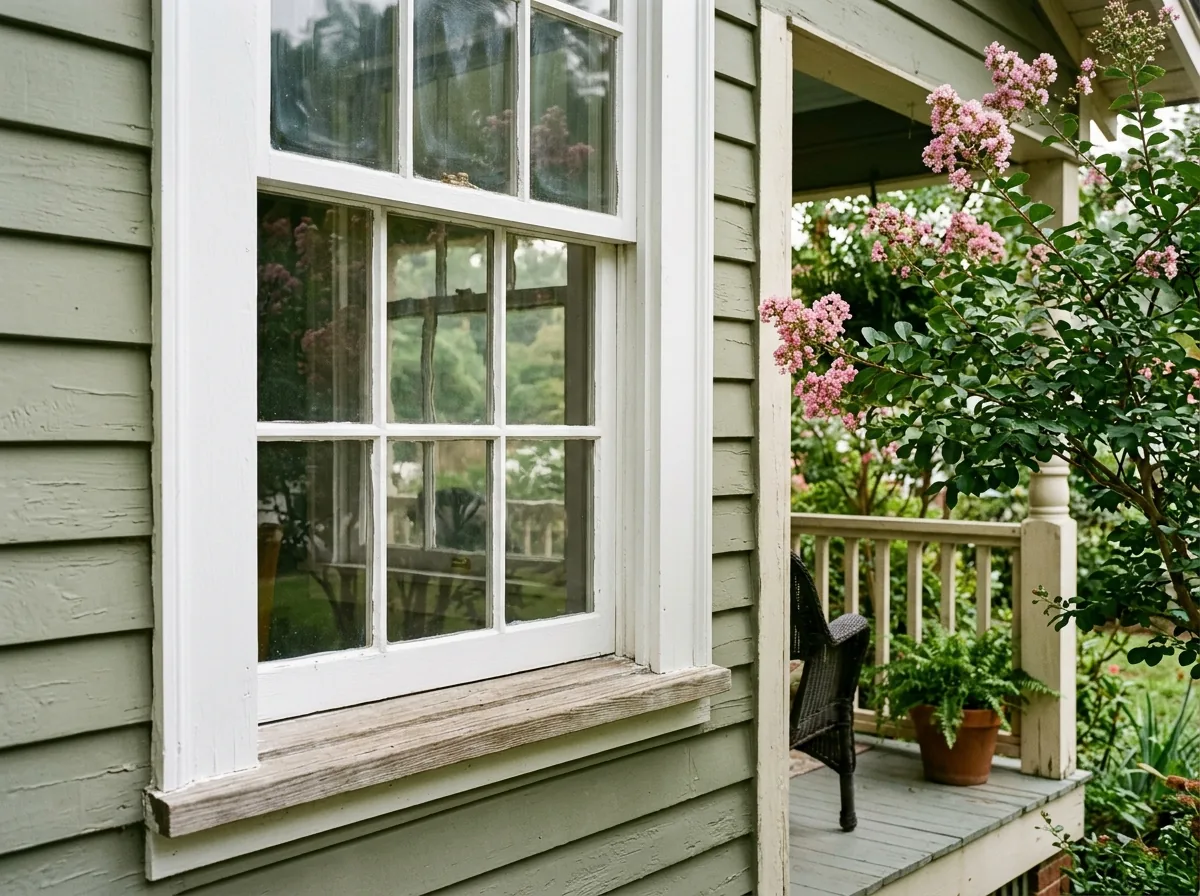
These are the standard windows on most Columbia ranches and two-story homes. On a double-hung both sashes slide and tilt in for cleaning. On a single-hung only the bottom one moves. Balances inside the side jambs hold the sash where you leave it, and when they wear out the window slams shut or won't stay up. Double-hung costs a little more and lets you open the top for airflow. Single-hung has one fewer moving part to leak or wear.
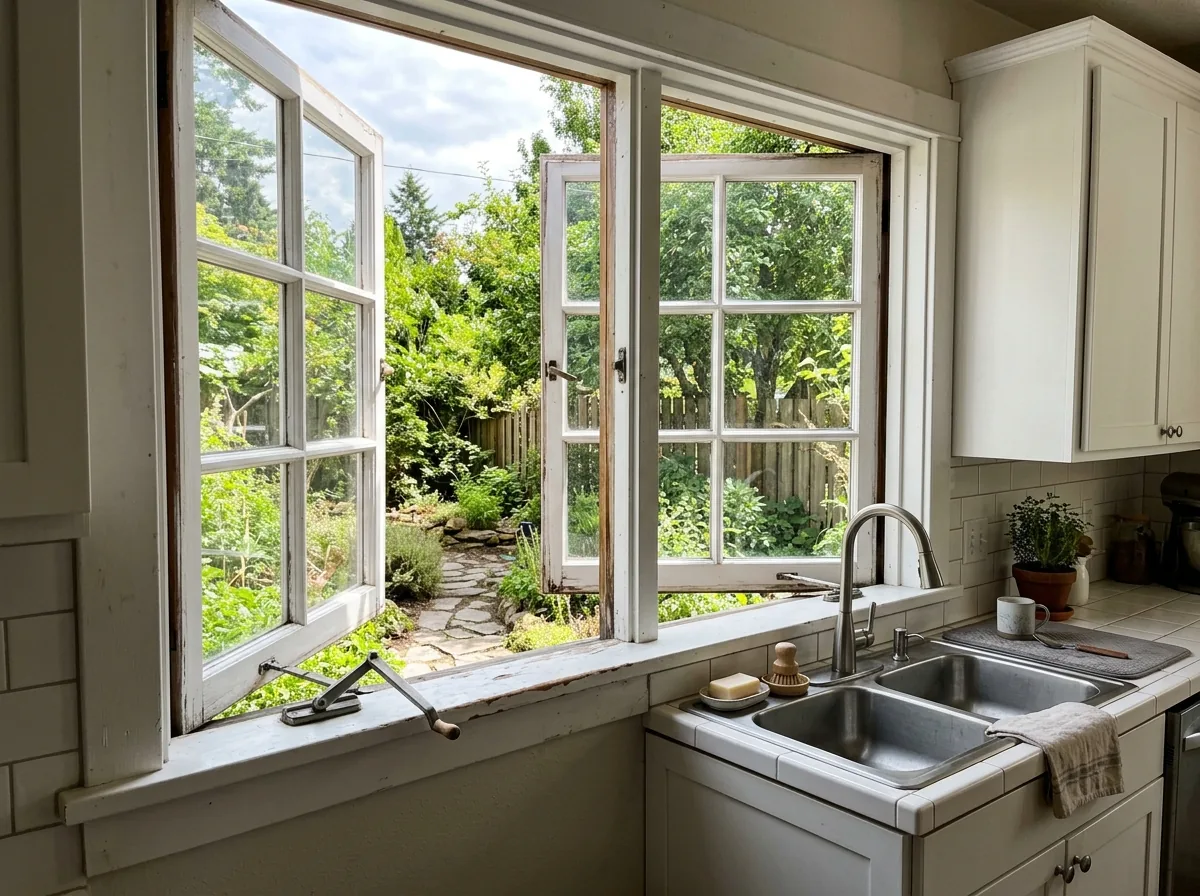
Casement and Awning Windows
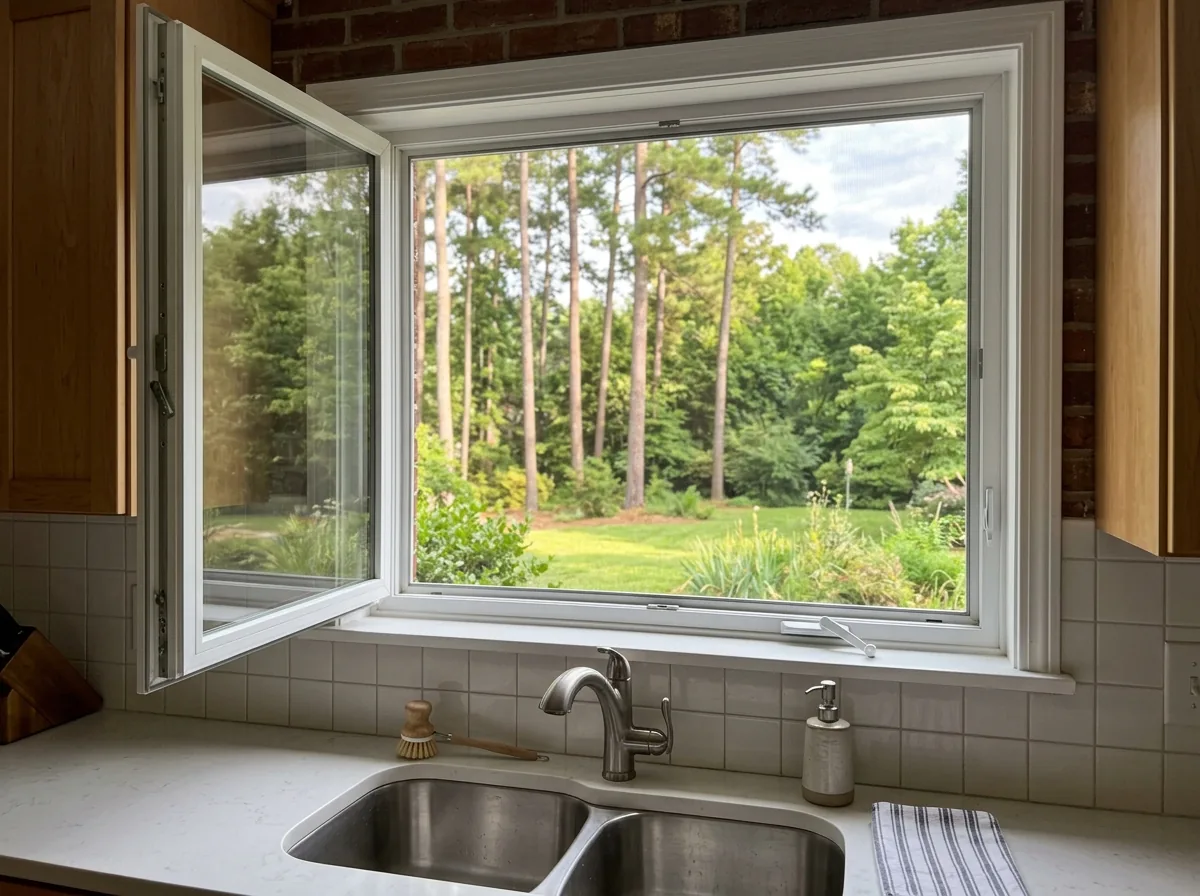
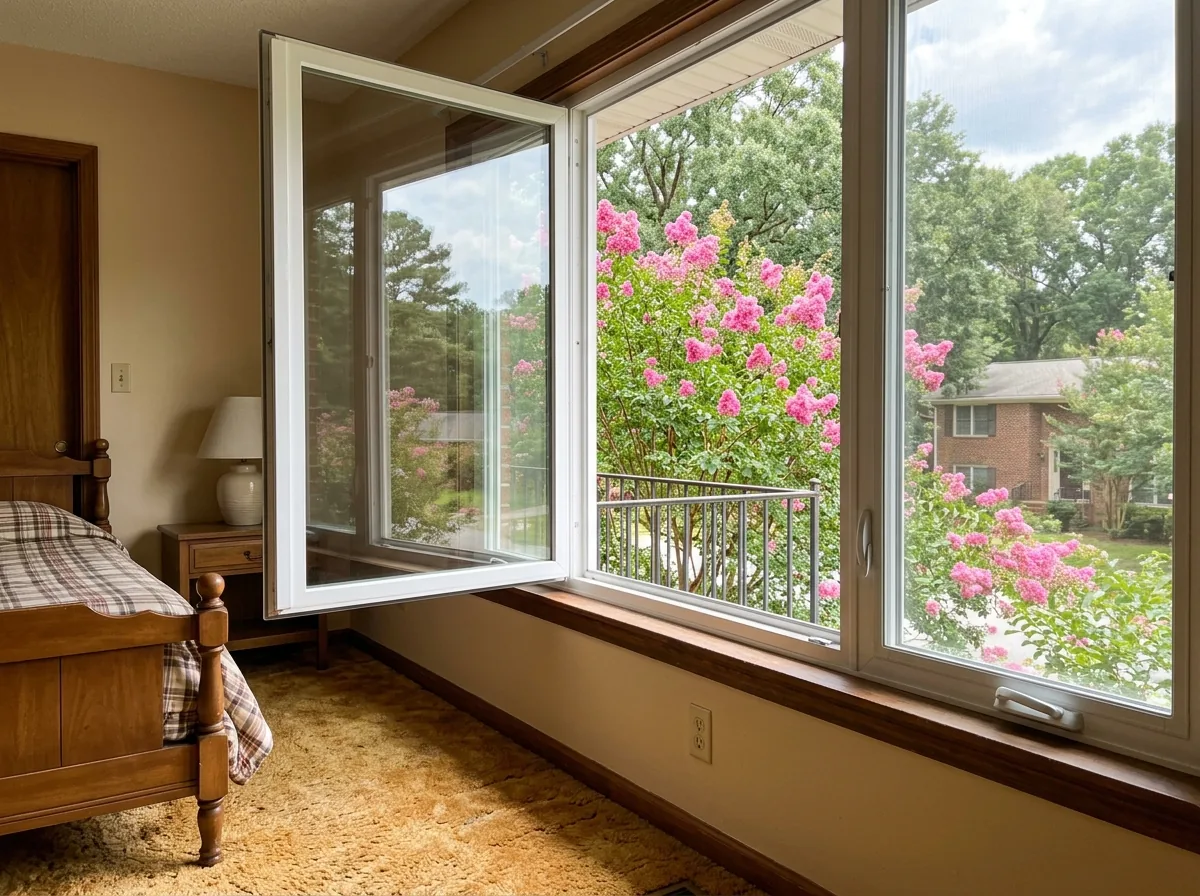
A casement hinges on the side and cranks out. An awning window hinges at the top and swings out from the bottom. Both close against compression weatherstripping, so they seal tighter than sliding sashes, and a casement opens its whole sash area, which helps a bedroom window meet egress size. Awnings suit spots over a sink or high in a bathroom wall, and they can stay open in a light rain.
See Casement Windows in Columbia; for bedroom escape openings, Egress Windows in Columbia.
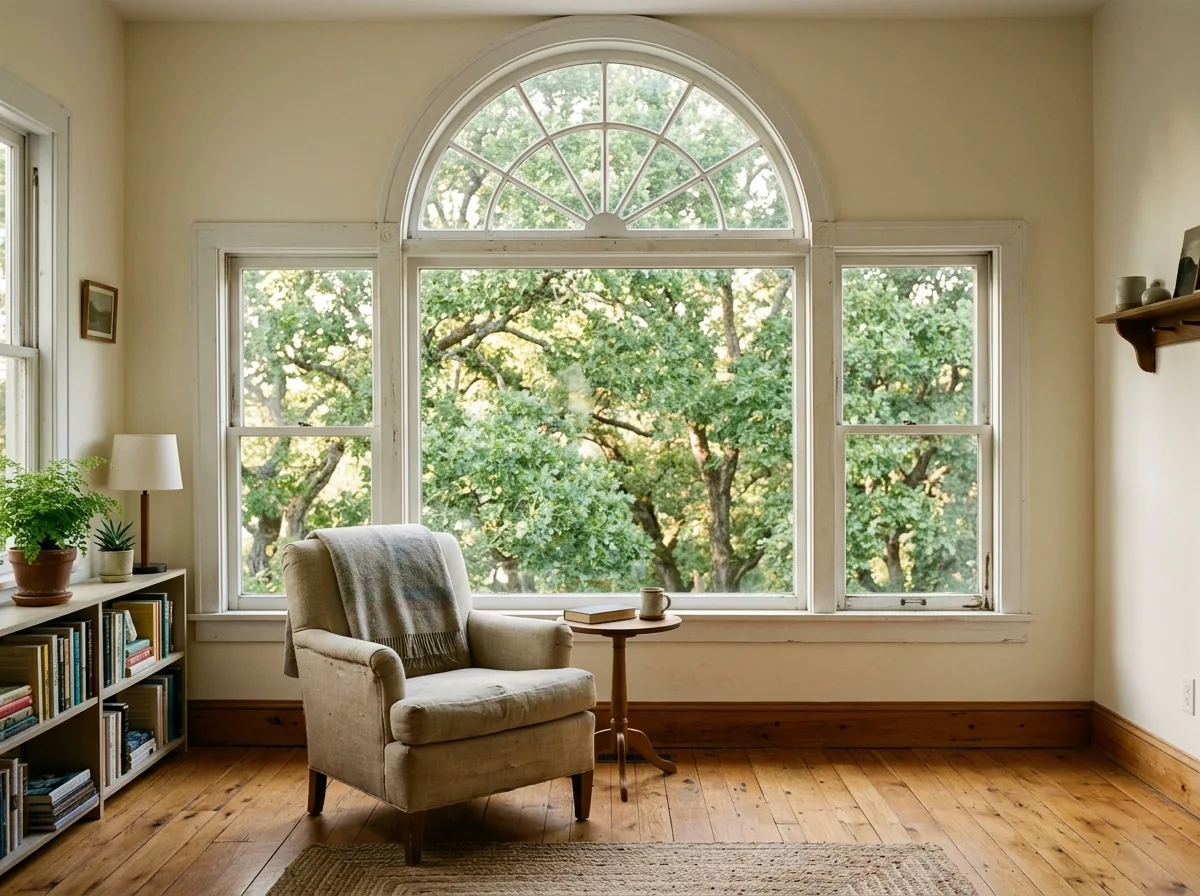
Picture, Transom and Shaped Windows
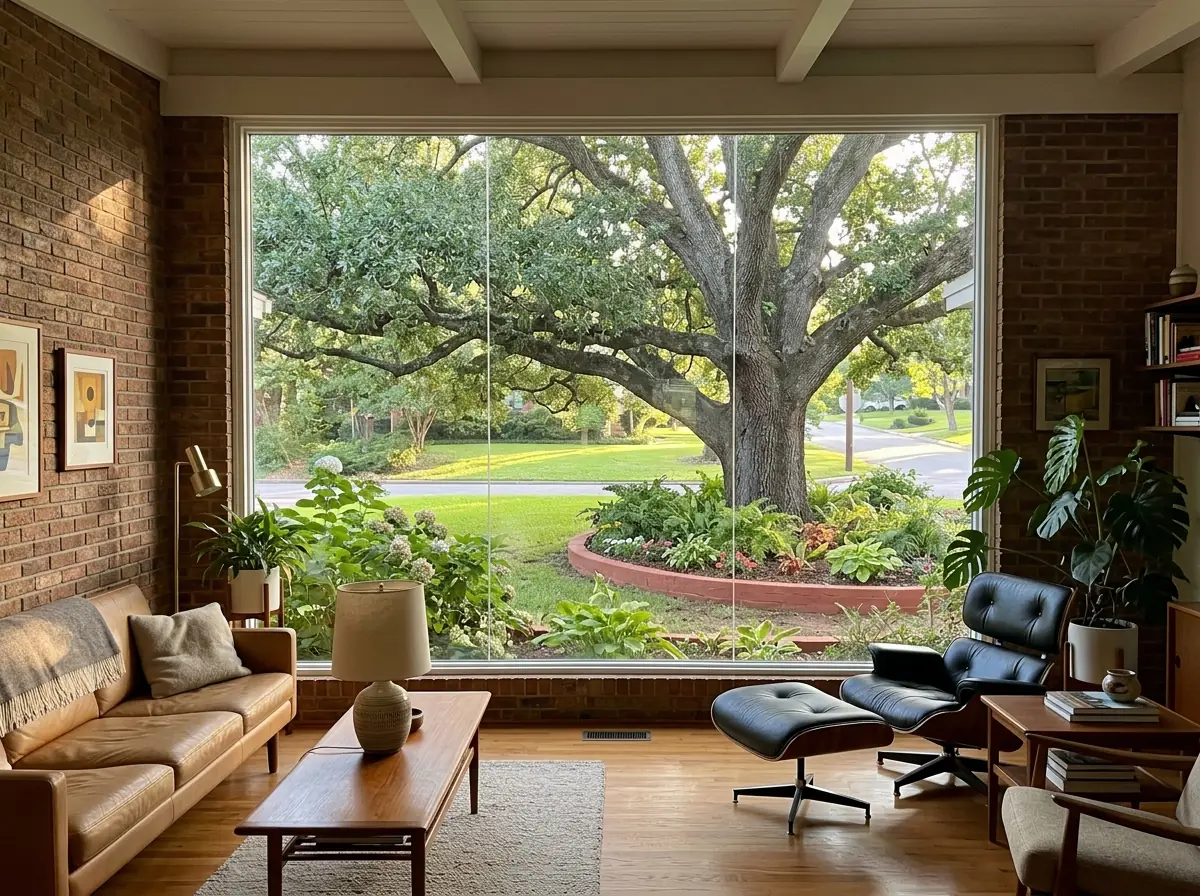
Picture windows don't open, so they're the cheapest per square foot of glass and the tightest seal. Transoms sit above doors or other windows, and arches, half-rounds and quarter-rounds fill shaped openings. Shaped units are built to a template of your opening, which adds measuring time and lead time. A large picture window close to the floor may need tempered glass, so that belongs in the quote too.
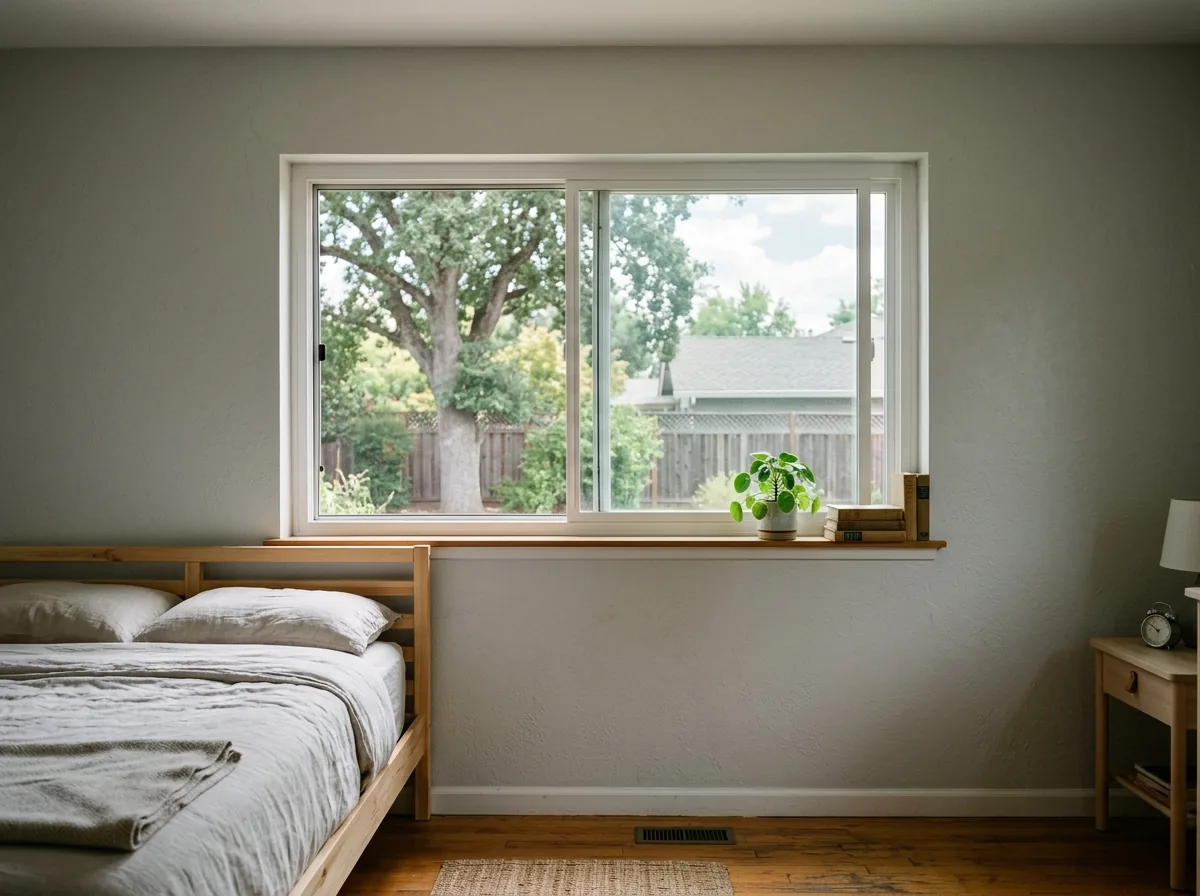
Sliding Windows
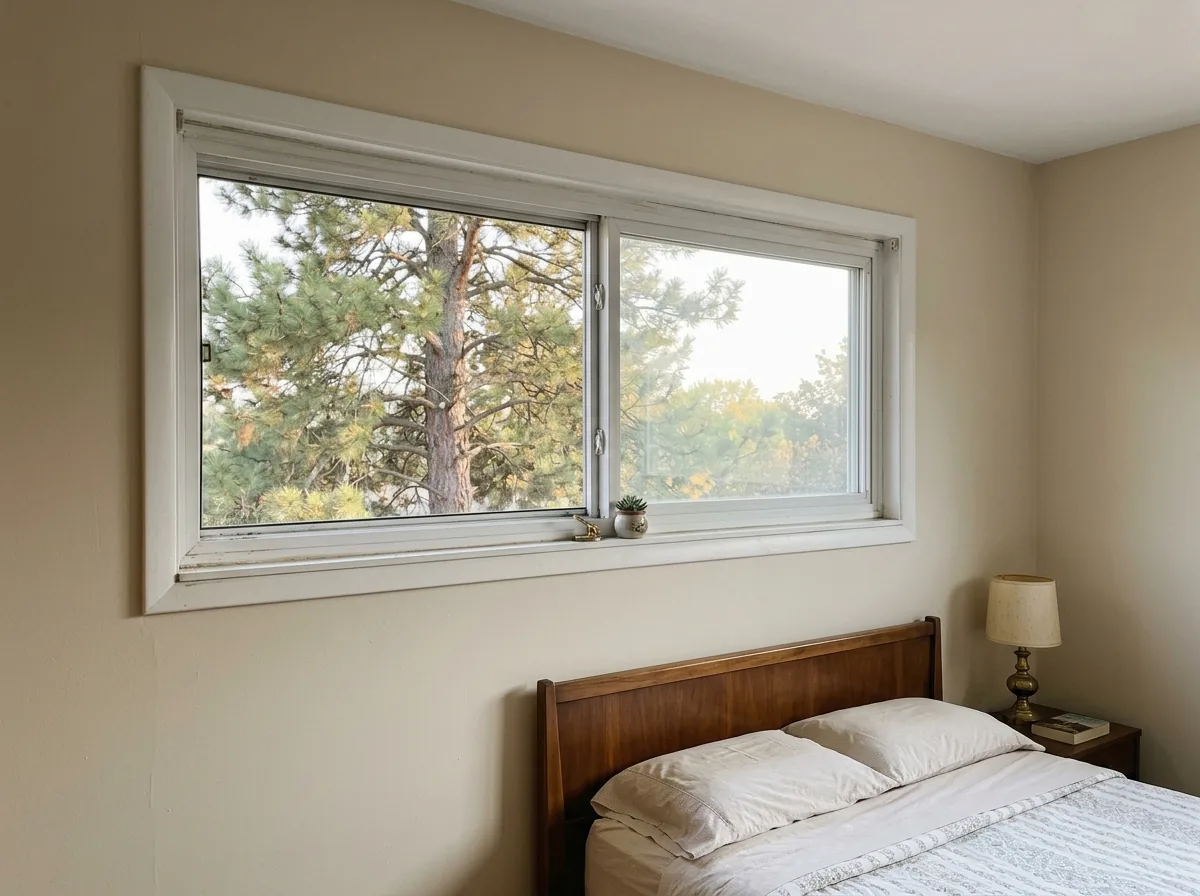
Horizontal sliders fit wide, short openings: low ranch-house bedrooms, spaces over counters, basement-level walls. One sash glides on a track past a fixed one, and there are no cranks to break. The track collects grit and pine pollen, so a slider that drags usually needs cleaning and new rollers before anyone talks about replacing it.
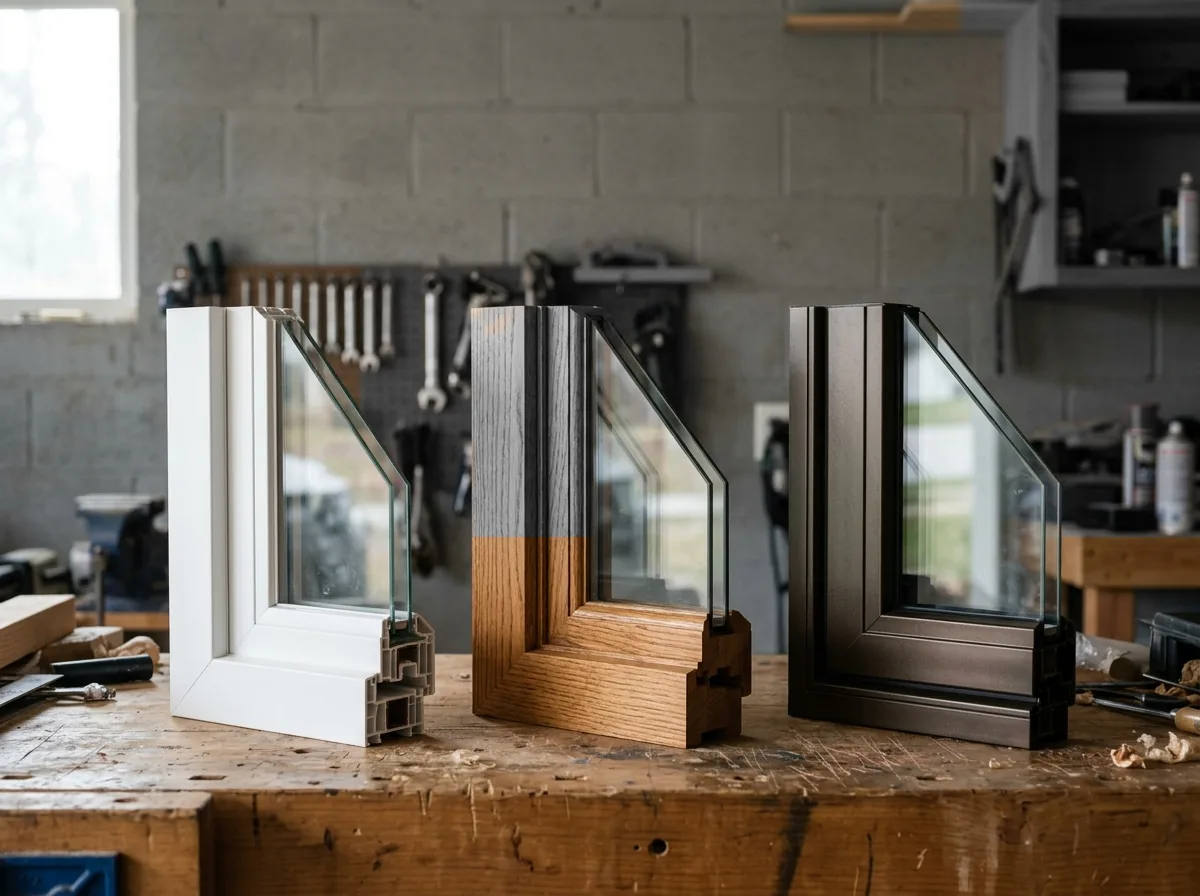
Vinyl, Wood and Fiberglass Windows
Vinyl is the most common replacement frame: low upkeep, good insulation, and the lowest price. Fiberglass costs more, is stiffer, holds dark colors better and moves less with heat. Wood looks right on older houses and is what historic districts tend to favor. Most new wood windows come clad in aluminum or vinyl outside, because bare wood needs paint to survive Columbia's damp summers. InterNACHI's life-expectancy chart gives vinyl and fiberglass windows 20 to 40 years and wood 30 or more, and calls it a guideline, not a promise.
Each frame has its own page: Vinyl Windows in Columbia for price and upkeep, Fiberglass Windows in Columbia for dark colors and stiffness, and Wood Windows in Columbia for older houses.
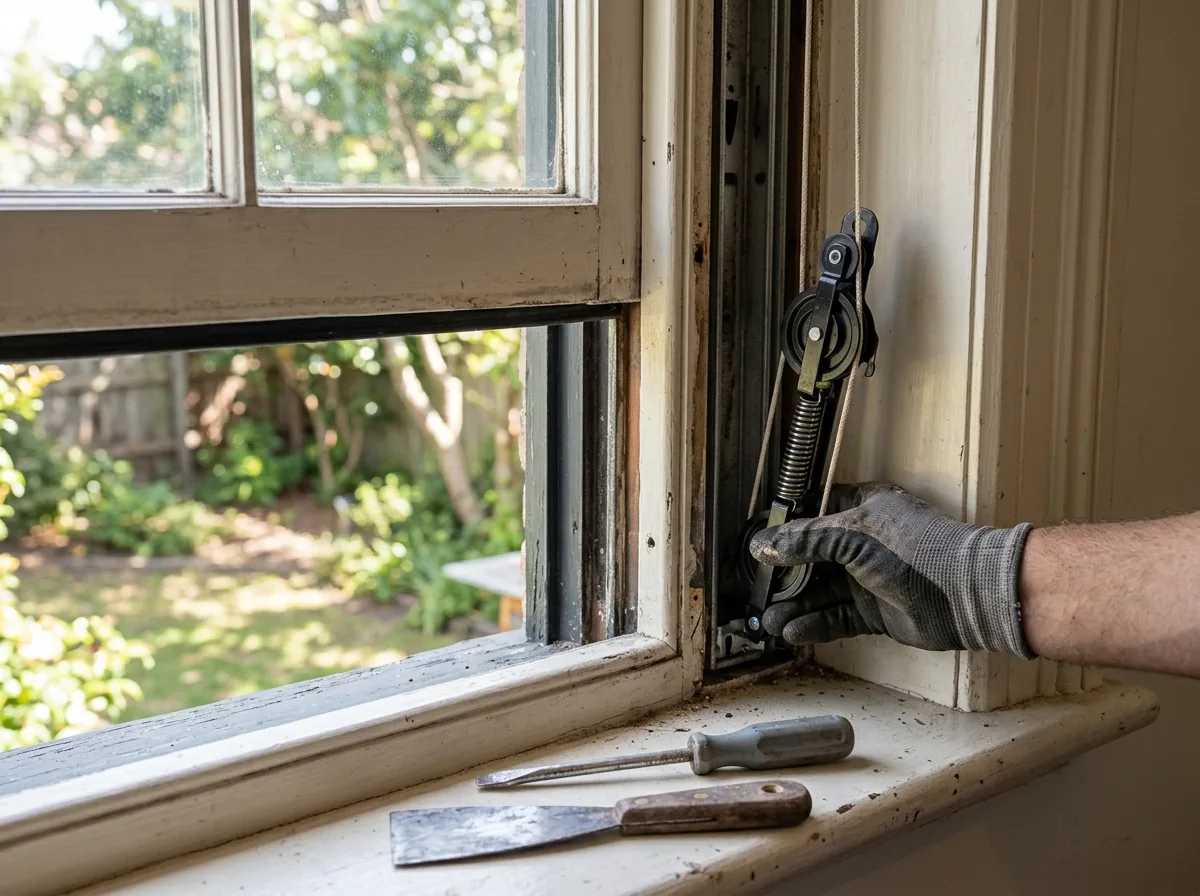
Window Repair: Sashes, Balances and Hardware
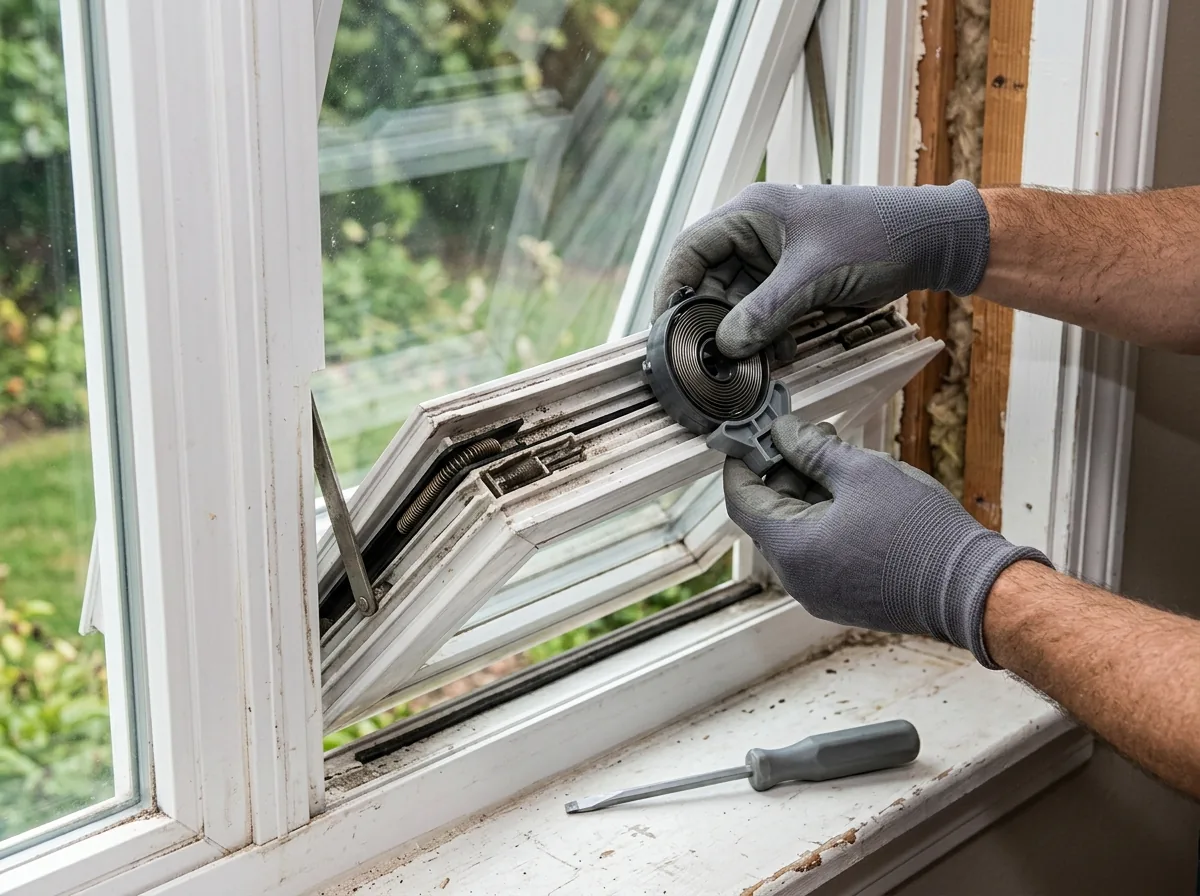
Plenty of windows need parts, not replacing. Broken spiral or block-and-tackle balances, worn pivot bars, stripped casement cranks, sticking locks and flattened weatherstripping can all be swapped out. On old wood windows, a sash that's painted shut or has a broken cord can usually be freed and rehung. If the frame is solid, a repair visit is the cheapest fix there is, and a good installer will tell you when that's all you need.
See Window Repair in Columbia. Doors that drag or won't lock are on Sliding Glass Door Repair in Columbia.
Foggy and Broken Window Glass Replacement
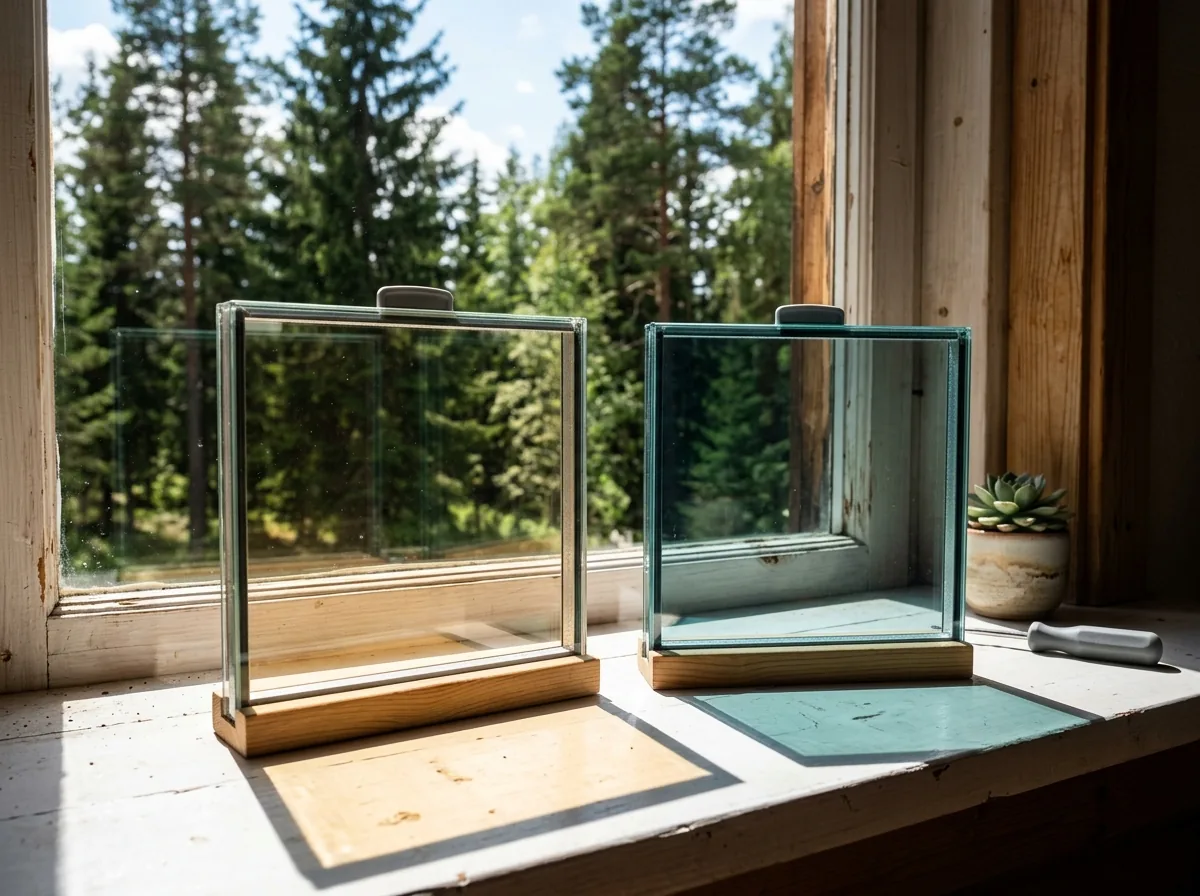
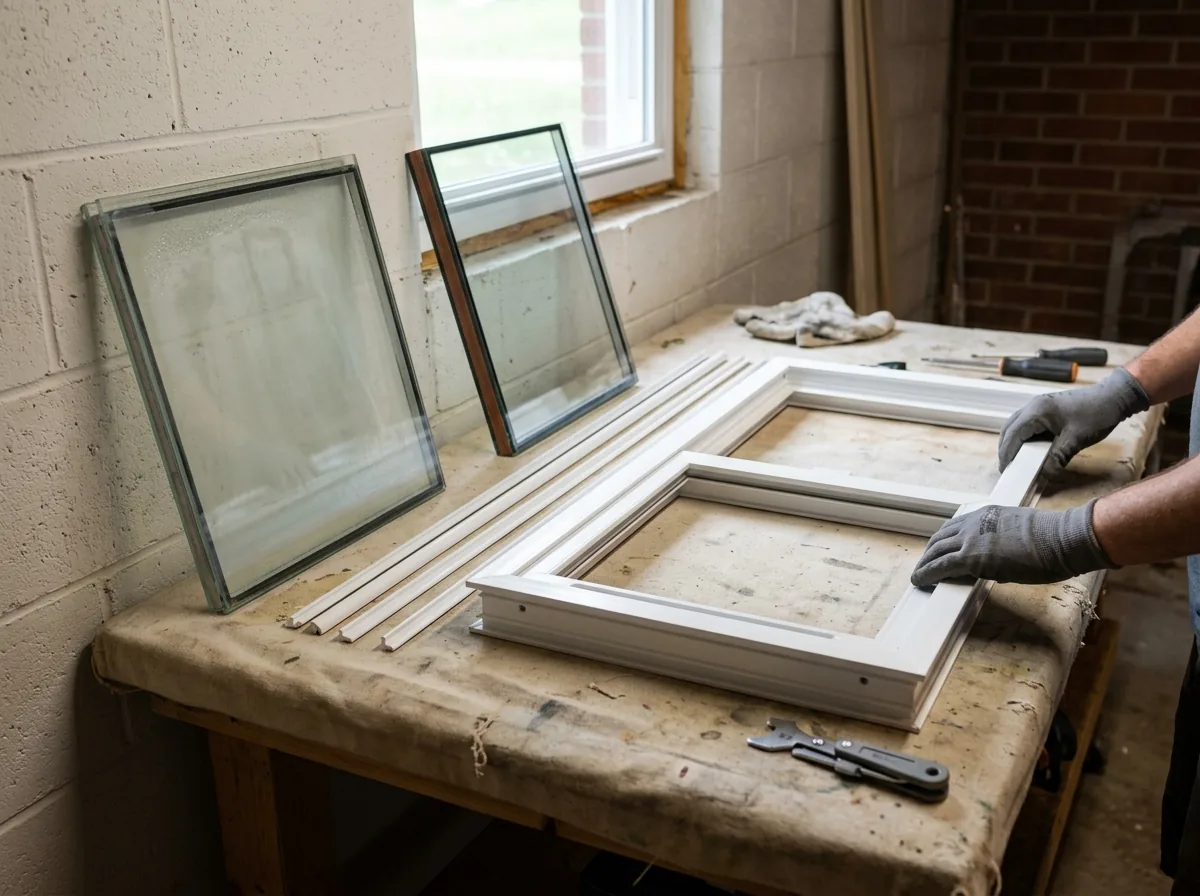
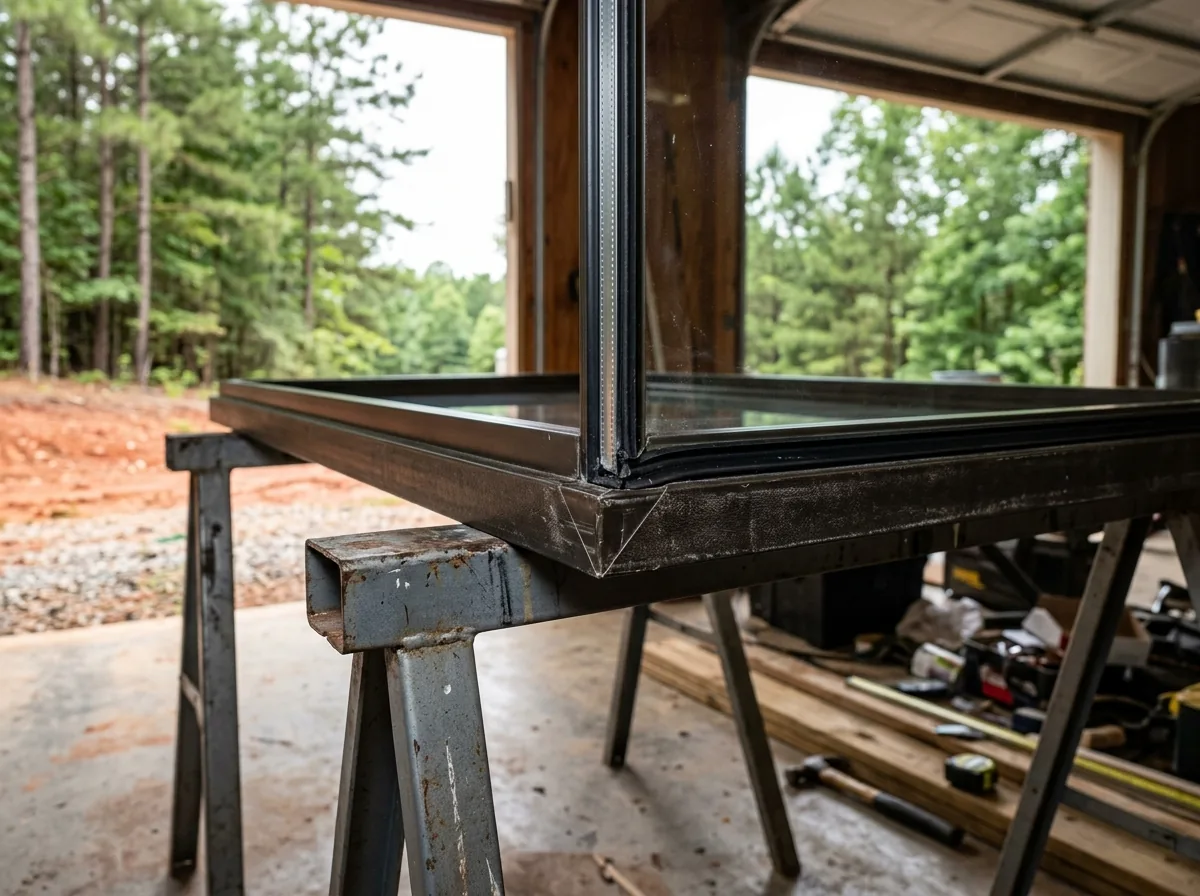
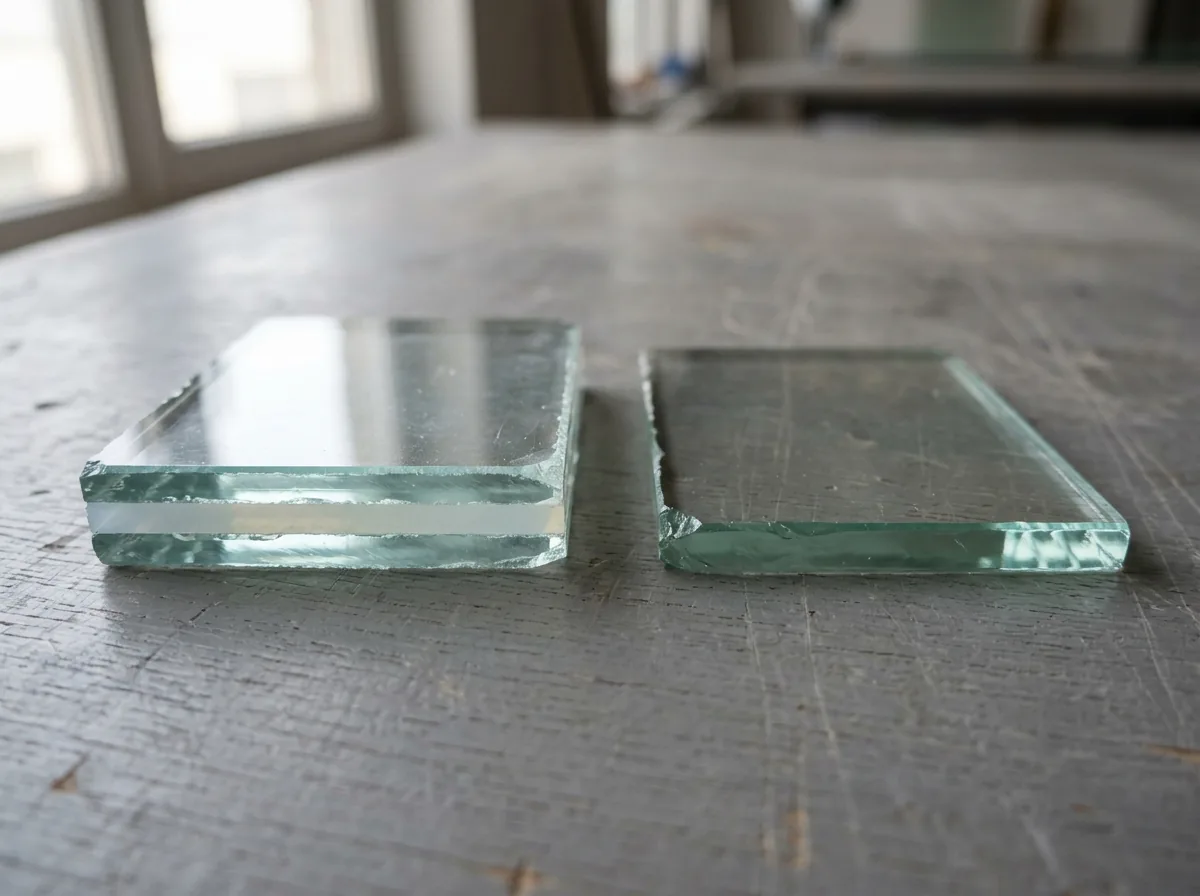
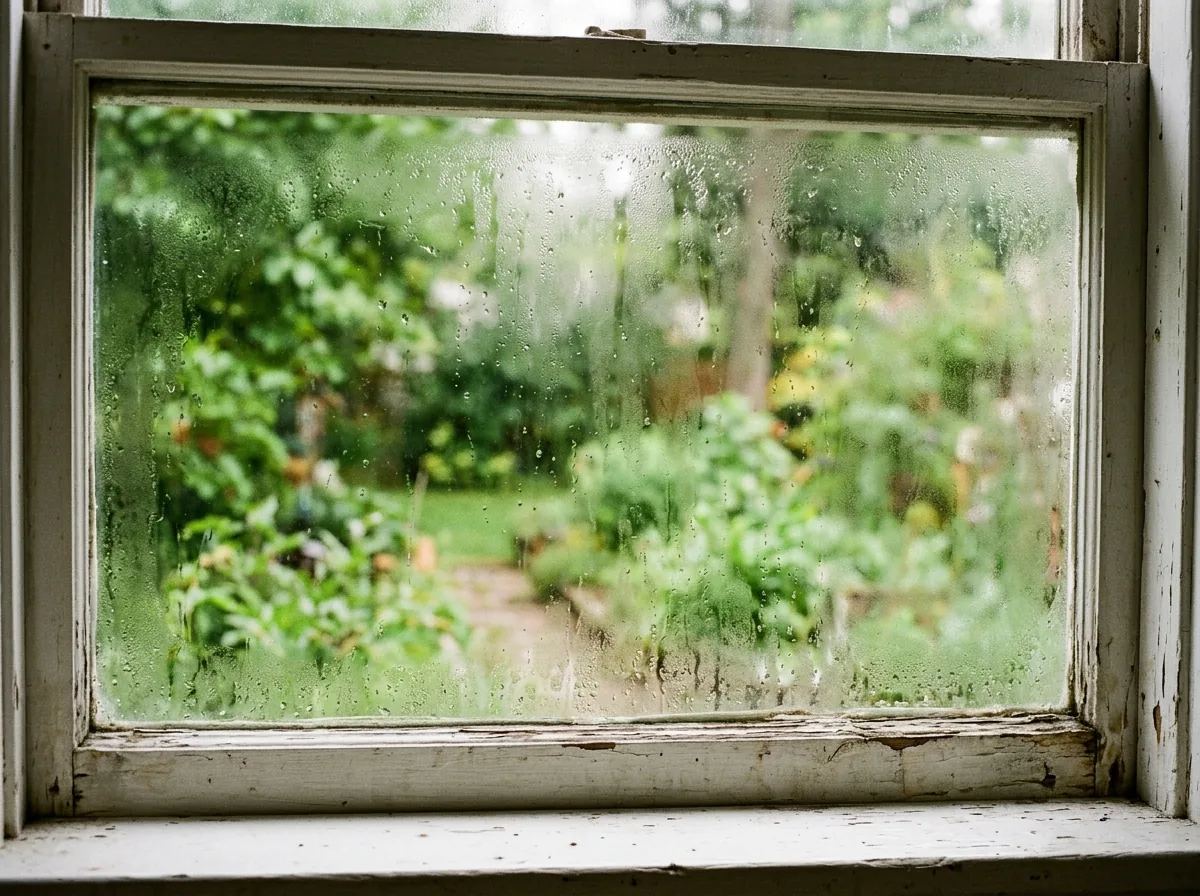
Fog that you can't wipe off from either side means the seal on the insulated glass unit has failed and moist air has gotten between the panes. How long a seal lasts depends on how well the unit was built and glazed. The fix can be just the glass: the installer measures the unit, orders a new one with low-E and argon, and sets it in your existing sash. Here's our rule of thumb: one or two fogged units in sound frames, swap the glass; fog spreading across a house of 20-year-old windows with soft sills, price full replacement.
Commercial Window Replacement in Columbia
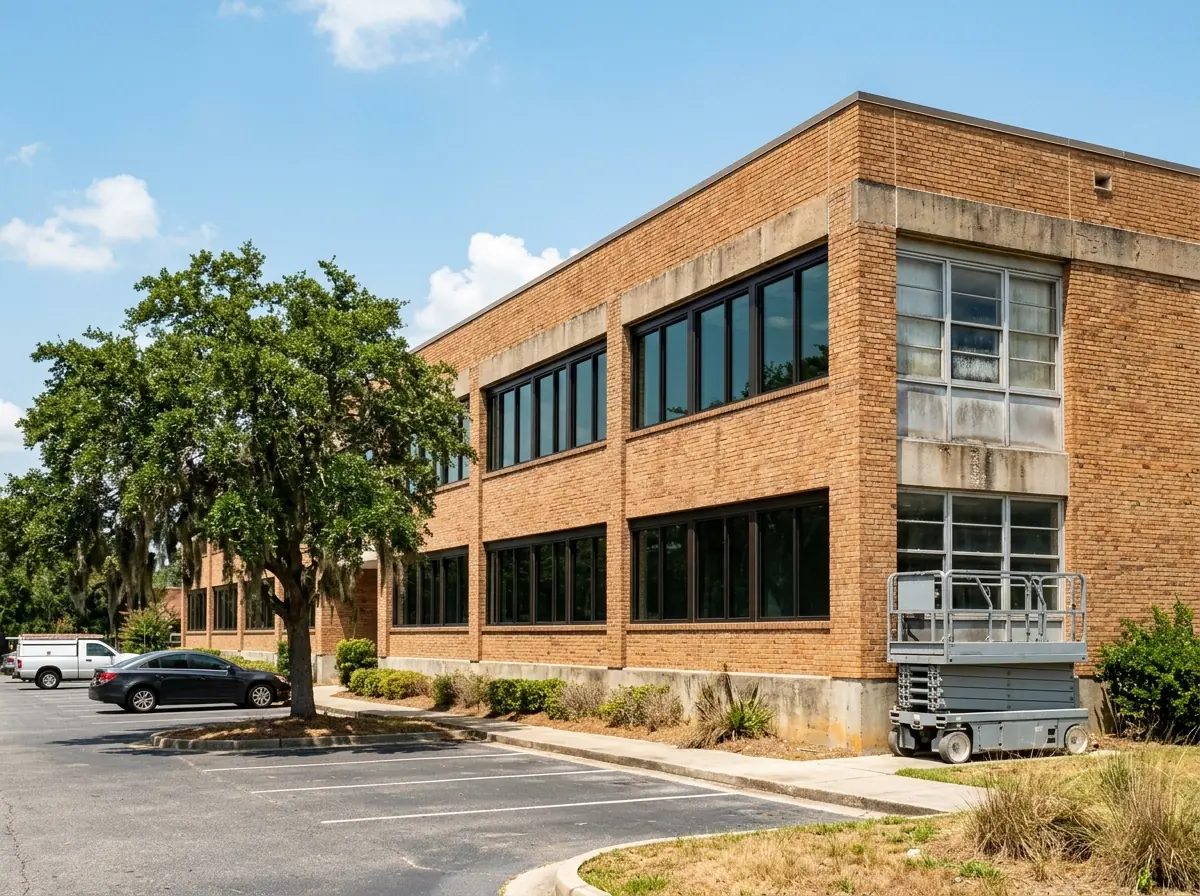
Commercial window replacement goes through the same referral, matched to an installer who does commercial work. Apartments, churches and offices are all on Commercial Window Replacement in Columbia.
Storefront and Retail Windows
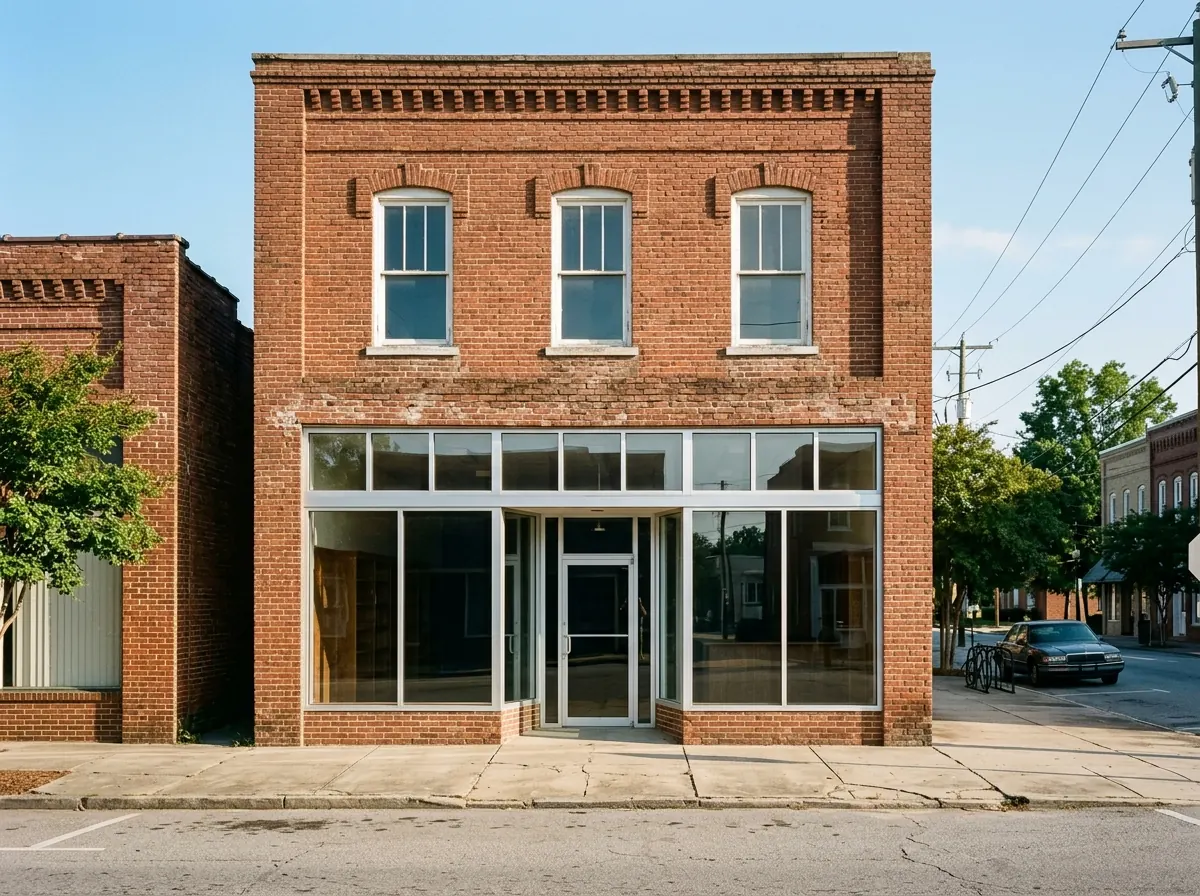
Aluminum storefront framing with tempered or laminated glass, door glazing, and broken-pane board-up and replacement, scheduled before or after store hours.
Office Building Windows
Fixed and operable units, failed insulated glass, and sealant joints that have dried and cracked, worked in stages so occupied offices keep running.
Apartment and Rental Property Windows
Durable vinyl units sized for turnover schedules. In buildings from before 1978, lead-safe work rules apply to the paid work, and tenants need notice.
Church and Older Building Windows
Large arched openings, wood sash repair, and protective glazing over leaded or stained glass, which keeps weather and stray balls off the art glass.
Specialty Window Services
Window Screens and Screen Repair
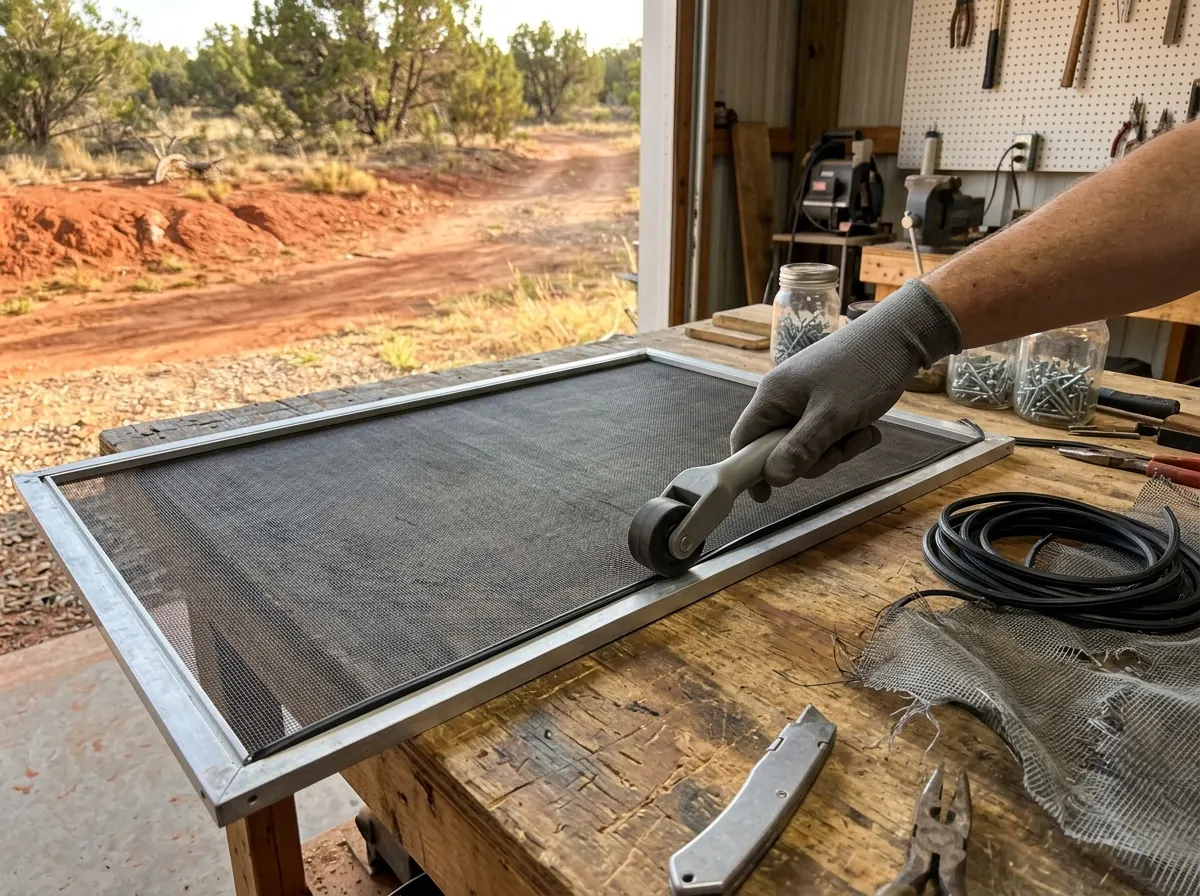
Rescreening torn frames in fiberglass, aluminum or pet-resistant mesh, new screens for replacement windows, and sliding screen doors that have jumped their track.
Storm Windows
Interior or exterior storm panels over old wood sashes, including low-E storms. A way to cut drafts while keeping original windows.
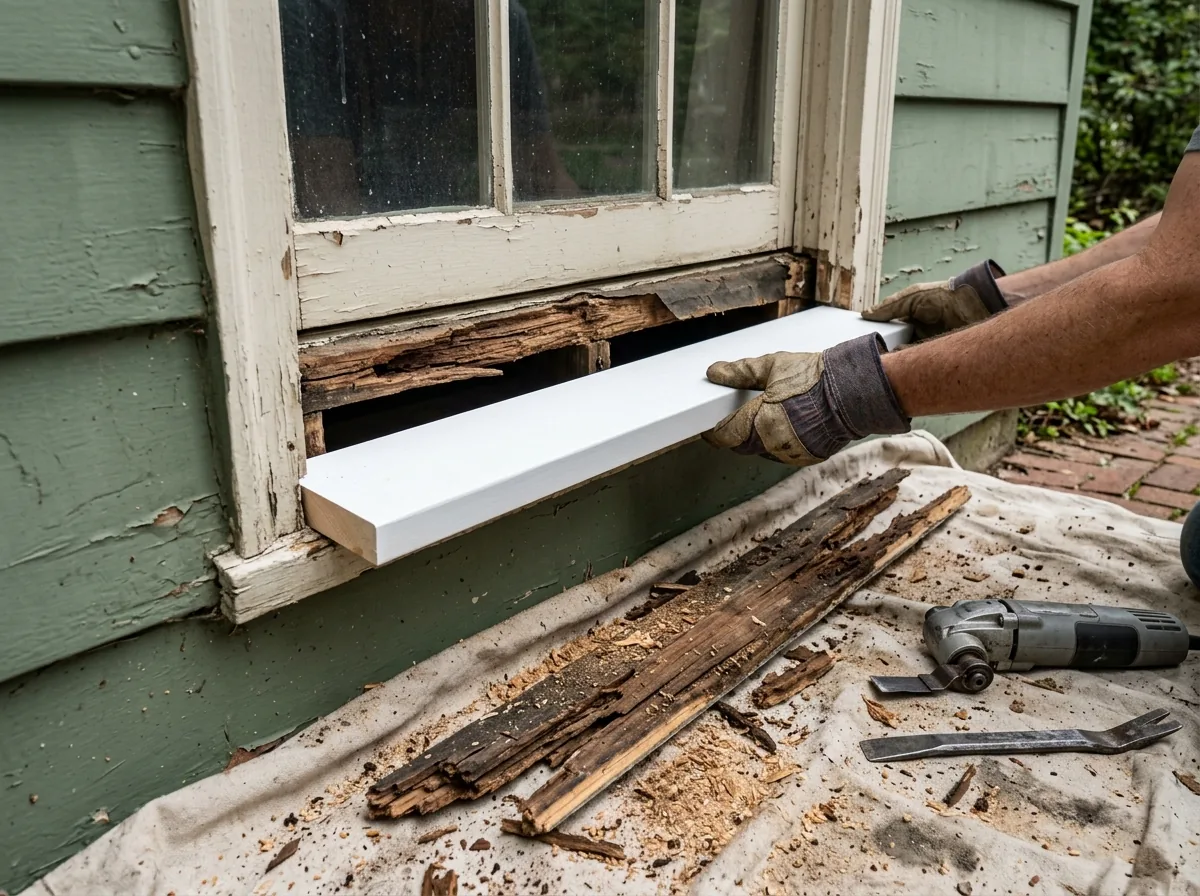
Window Frame, Sill and Rot Repair
Probing soft wood, cutting out rot, epoxy consolidant and filler for small spots, and new sills where the rot runs deep. Columbia scores 71.7 on the Scheffer wood-decay index, which puts it in the highest-risk band.
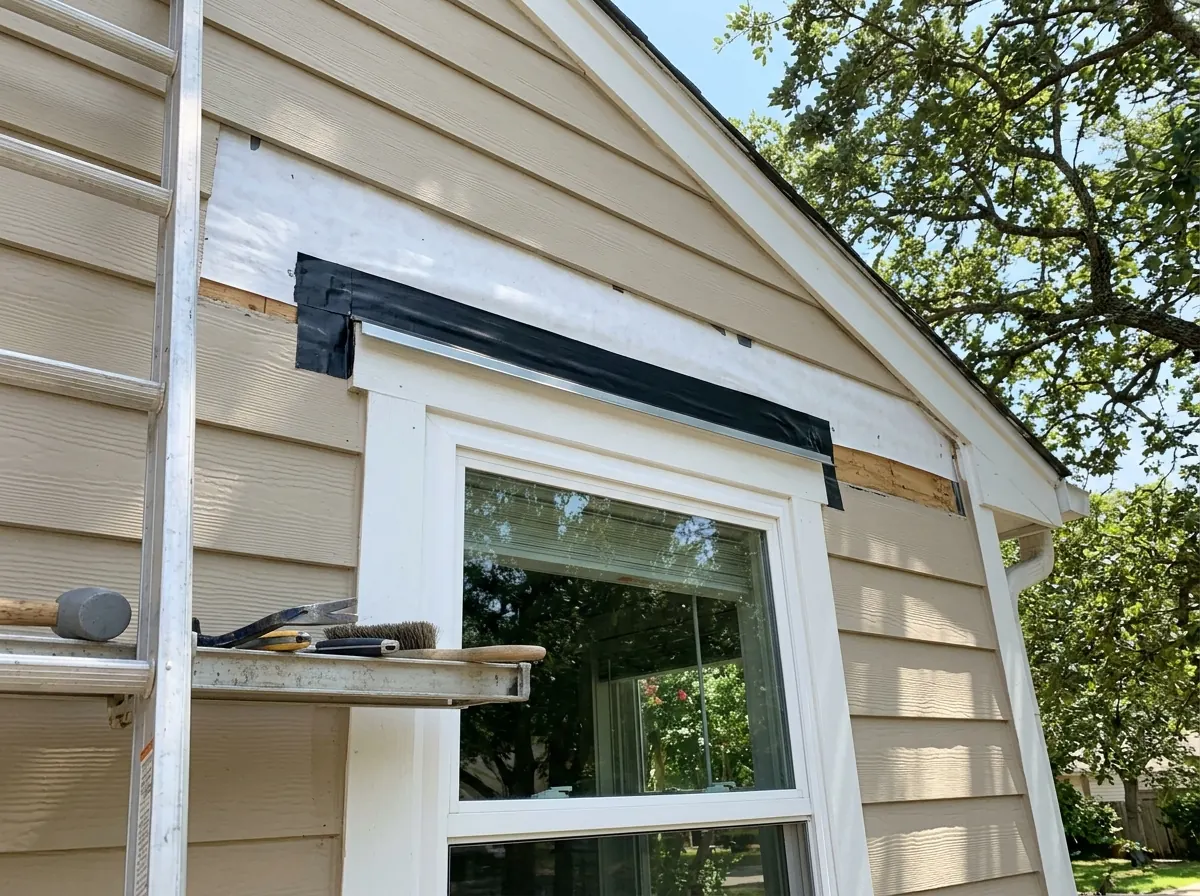
Window Leak Repair and Sealing
Finding whether water comes in at the head flashing, the glazing or the sill, then resealing with the right sealant and testing with a hose before calling it done.
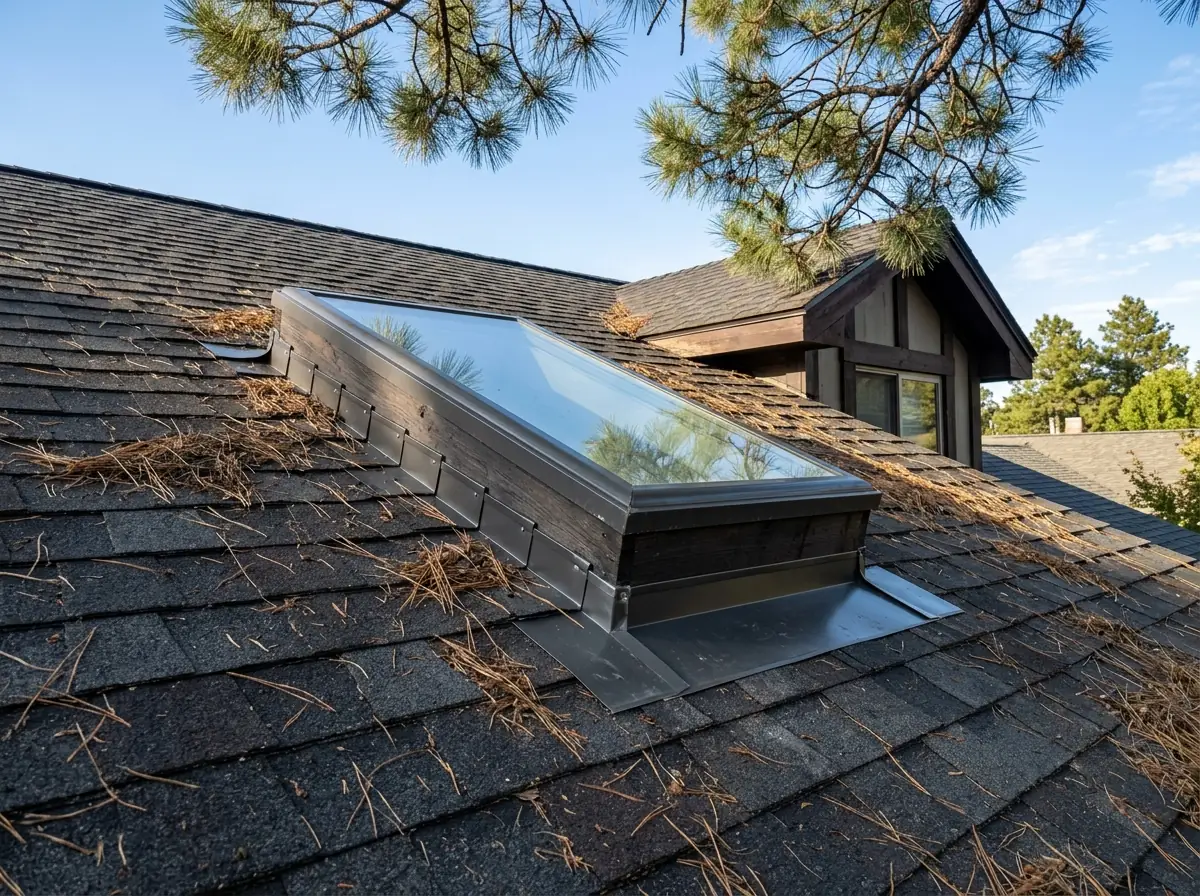
Skylight Replacement
Curb-mounted or deck-mounted units with new flashing kits, best done when the roof is being replaced anyway.
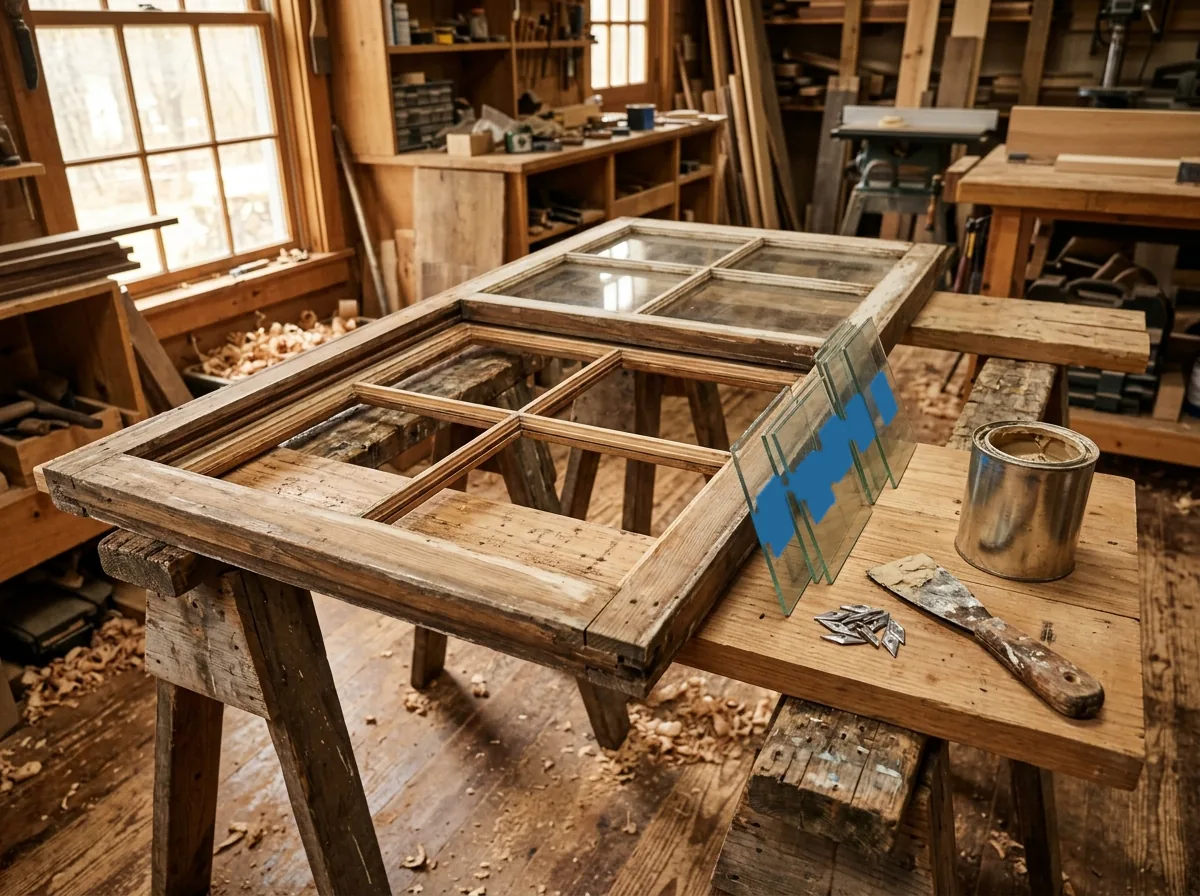
Historic Window Restoration
Reglazing with putty, freeing painted-shut sashes, rehanging weights and pulleys, and keeping the wavy old glass that makes those houses look the way they do.
Get a free window estimate in Columbia
- Your request goes to one independent local window installer, not a list of callers
- The installer measures each opening in person before any price
- Ask for a written quote naming the frame, glass package and install method
- Free to homeowners: no fee for the referral or the estimate
Our Window Replacement Process
- STEP01
Tell Us About the Windows
Call or send the form with the number of windows, any doors, and what's wrong: drafts, fog, rot, stuck sashes. Photos help.
- STEP02
In-Home Measuring
The installer measures each opening, checks the sills and frames for rot, and notes which rooms need egress or safety glass.
- STEP03
Written Quote and Product Choice
You get a quote that names the window series, frame material, U-factor and SHGC, and the install method for each opening. Ask what happens to the price if rot turns up once the old frames are out.
- STEP04
Ordering
Replacement windows are built to your measurements, so there's a factory lead time. Ask for the expected delivery date in writing.
- STEP05
Install Day and Walk-Through
Old units come out, openings are flashed and insulated, new windows go in and the trim is finished. Before the crew leaves, open and lock every window yourself.
Window Replacement Cost in Columbia, SC
There's no public Columbia price list, but two benchmarks frame it. HomeGuide puts a single-hung window at $450 to $1,500 installed, nationally. The 2025 Cost vs. Value report priced replacing ten 3-by-5-foot double-hung windows with low-E vinyl at $21,629 in the South Atlantic region, roughly $2,160 a window, and found 82.6% of that came back in resale value.
Six things move the number:
Frame material
Vinyl is the lowest; fiberglass and clad wood run higher.Size and style
Bays, bows, shaped units and big picture windows cost more than standard double-hungs.Install method
Full-frame costs more than insert work, because the trim comes off and the opening is reflashed.Rot
Soft sills and framing found during tear-out are extra; ask how the quote handles it.Lead-safe work
Pre-1978 homes need RRP practices, which add setup and cleanup time.Glass package
Low-E, argon and tempered glass where code requires it.
There's no federal tax credit to subtract in 2026: the 25C credit ended for windows placed in service after December 31, 2025.
© 2025 Zonda Media, a Delaware Corporation. Complete data from the Remodeling 2025 Cost vs. Value Report can be downloaded free at www.costvsvalue.com.
Things to Know Before Replacing Windows in Columbia
The code minimum is not the energy target
South Carolina's energy code is the 2009 IECC, which allows U-0.50 and SHGC 0.30 in zone 3. ENERGY STAR's South-Central mark asks for U-0.28 and SHGC 0.23. Read the NFRC label on the window, not the brochure.Bedroom windows are escape routes
The 2021 residential code in force in South Carolina calls for 5.7 square feet of net clear opening (5.0 at grade), at least 24 inches high and 20 inches wide, with the sill no more than 44 inches up. A replacement is exempt if it's the largest standard size that fits and opens as wide as the old style, so don't swap a casement for a smaller-opening slider in a bedroom without measuring.Some glass has to be tempered
Safety glazing is required in doors, within 24 inches of a door's edge when the glass is under 60 inches up, near tubs and showers, by stairs, and in panes over 9 square feet that sit low to the floor.Pre-1978 homes need lead-safe work
EPA's RRP rule requires certified firms for paid work that disturbs paint in homes built before 1978, and about half of Columbia's housing dates from before 1980.Historic districts come first
Columbia's Architectural Conservation Districts require window review before replacement, and the first step is a call to the city's preservation staff.Permits
The city says all regulated work needs a permit, so check whether yours does. In a historic or design district, a Certificate of Design Approval comes before the permit.New code edition coming
South Carolina adopted the 2024 codes in August 2025, effective January 1, 2027.
Columbia Weather and Your Windows
Columbia's July average high is 92.7°F, and the mean dew point that month is close to 70°F. That combination works windows hard in two ways. First, sun on west and south glass: that's what a low SHGC is for, and why tinted low-E pays off on the hot side of the house. Second, moisture. Water on the inside of the glass on a cool morning is room humidity meeting cold glass, and it's not a failed window. Fog between the panes is a failed seal.
Rain is the other half. The city gets about 45 inches a year, much of it in summer storms that drive water sideways at windows. Old wood sills soak it up, which is why the decay index here is so high and why sill rot shows up on so many quotes. Columbia isn't in a wind-borne debris region, the code's coastal zone where impact glass is required, so impact windows here are a choice, not a rule.
Window Service Areas in Columbia
Columbia Window Co. takes window requests from across the City of Columbia. That includes the older neighborhoods where window review applies, such as Elmwood, Granby, Cottontown/Bellevue, Melrose Heights/Oak Lawn and the University district, and the newer subdivisions toward the edges of the city.